
Haiti
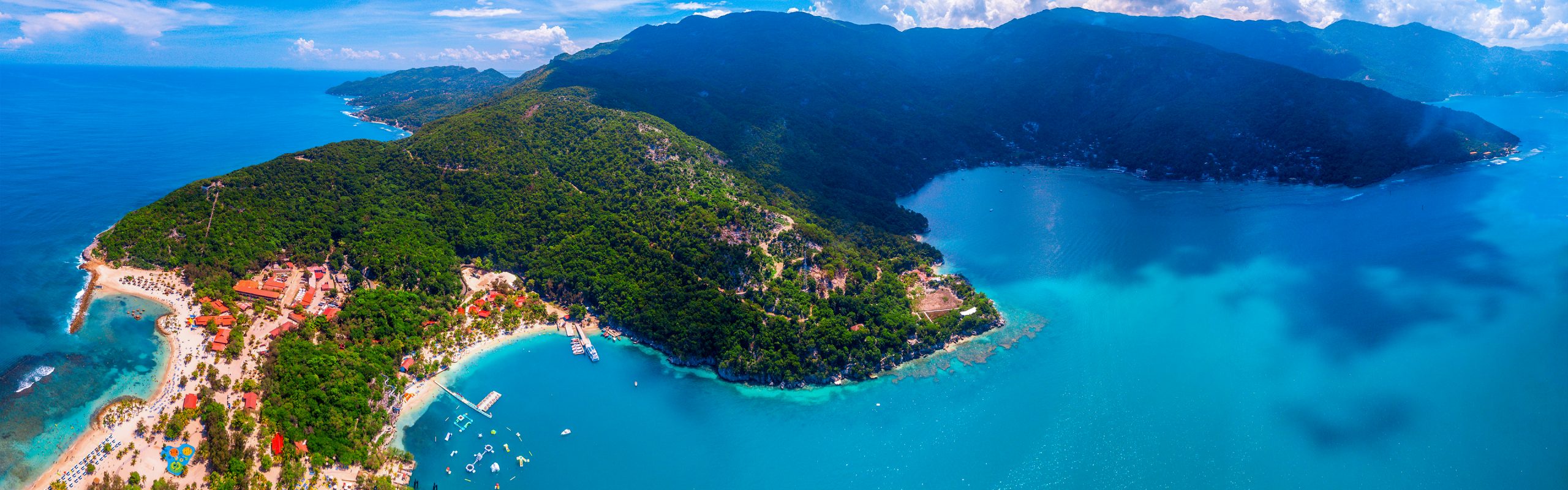
Welcome to Haiti
Top Destinations
Request Your Free Vacation Plan
Our Travel Experts Will Find You The Best Deals, Fast.
Where To Stay
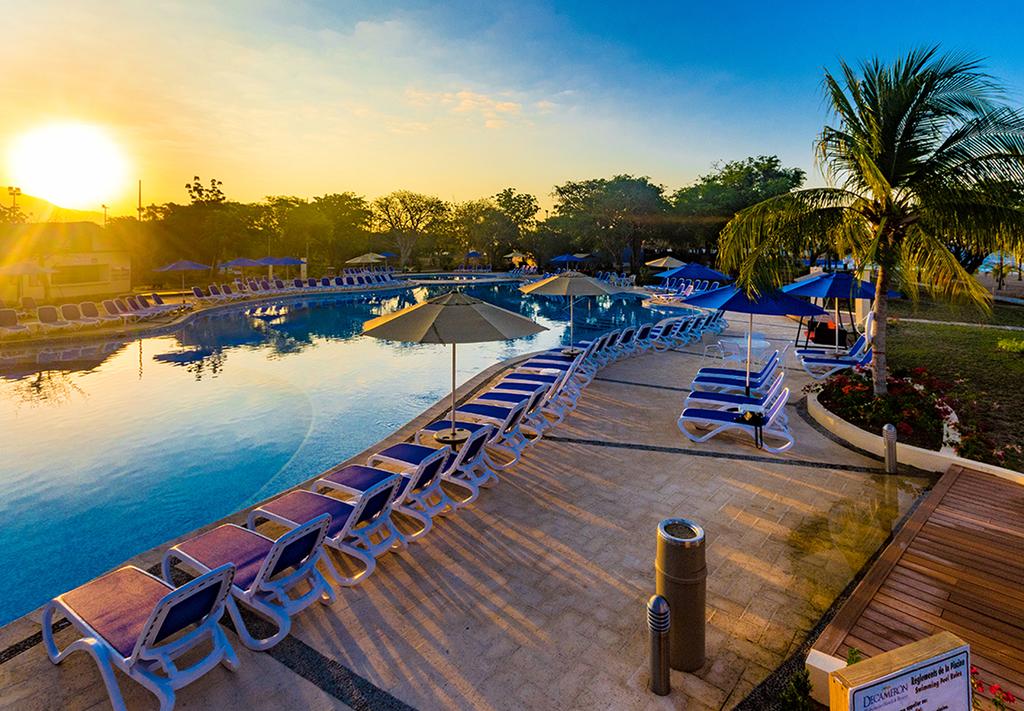
Royal Decameron Indigo - All Inclusive, Montrouis
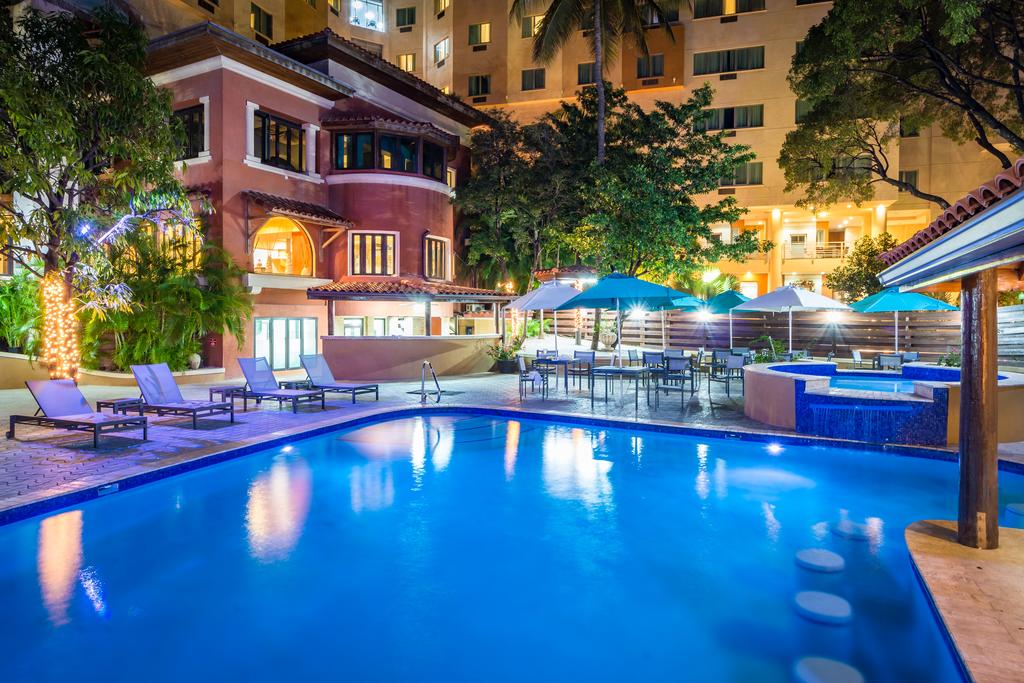
Hotel Royal Oasis, Port-au-Prince
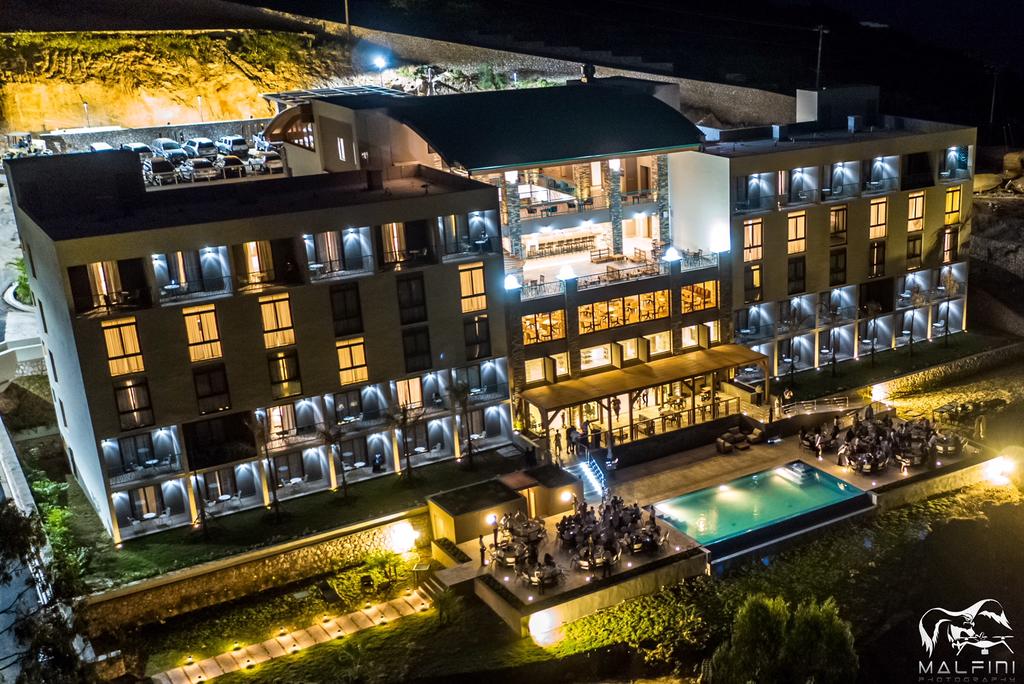
Satama Hotel, Cap-Haïtien
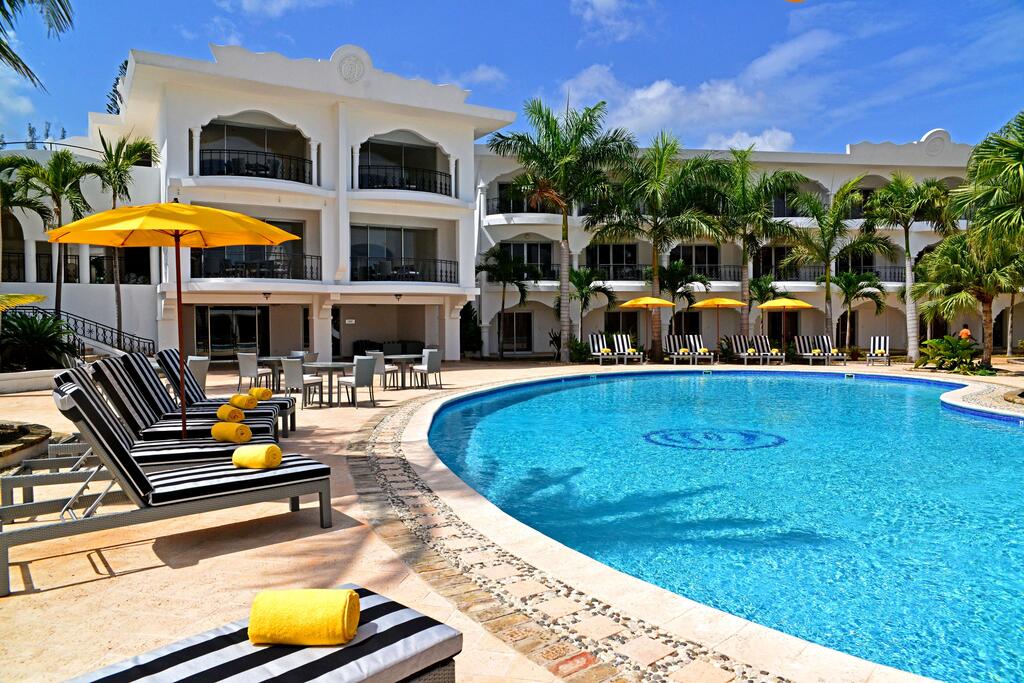
NH Haiti El Rancho, Port-au-Prince
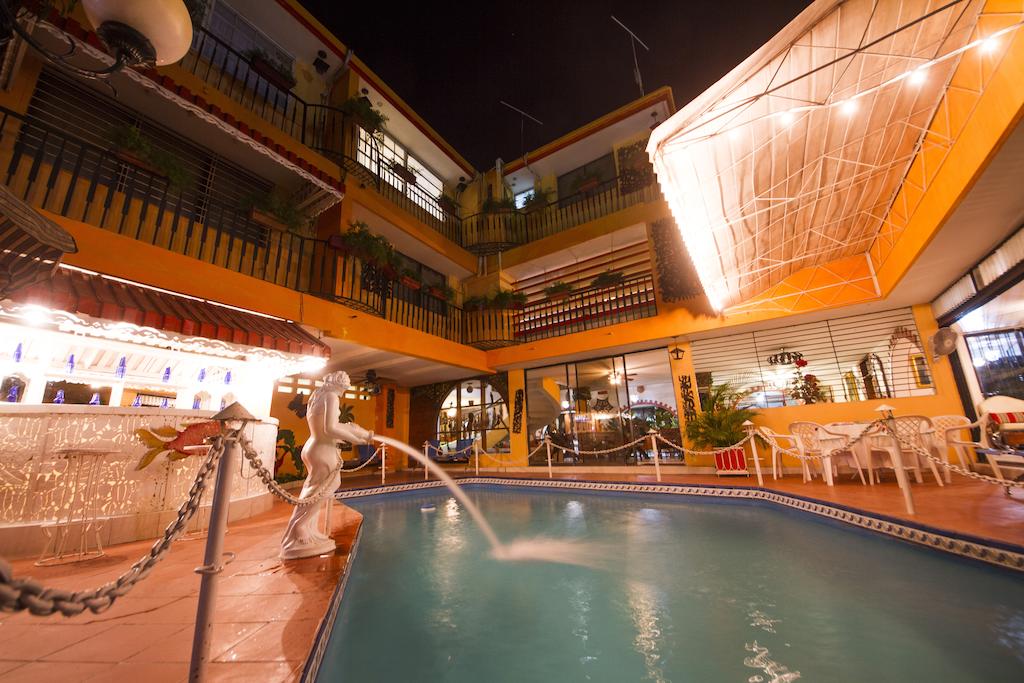
Ideal Villa Hotel, Port-au-Prince

Servotel, Port-au-Prince
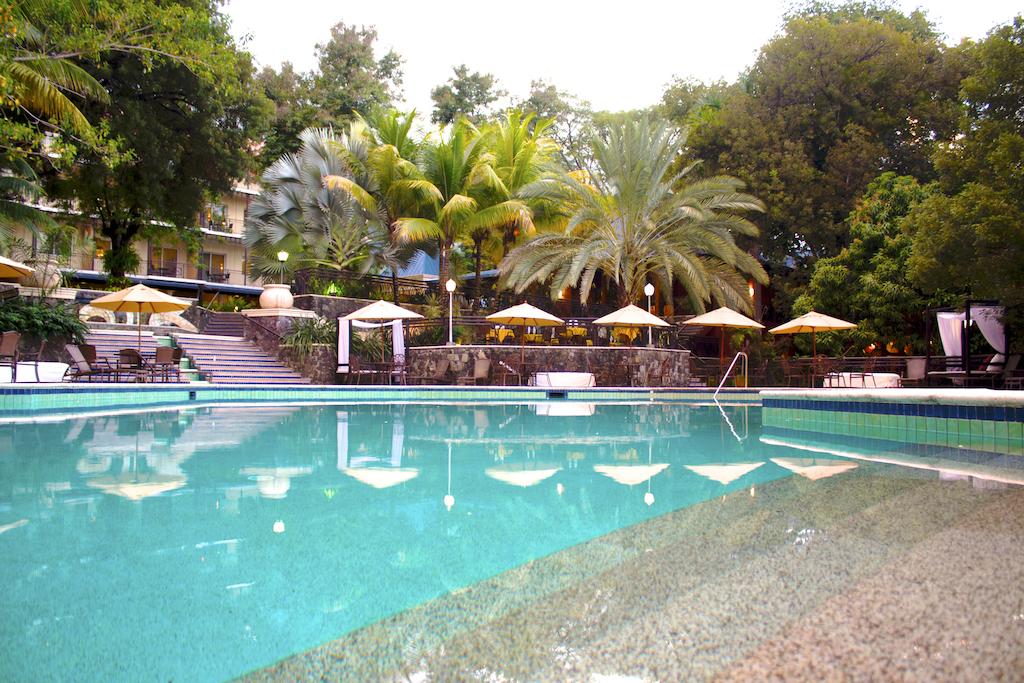
Karibe Hotel, Port-au-Prince
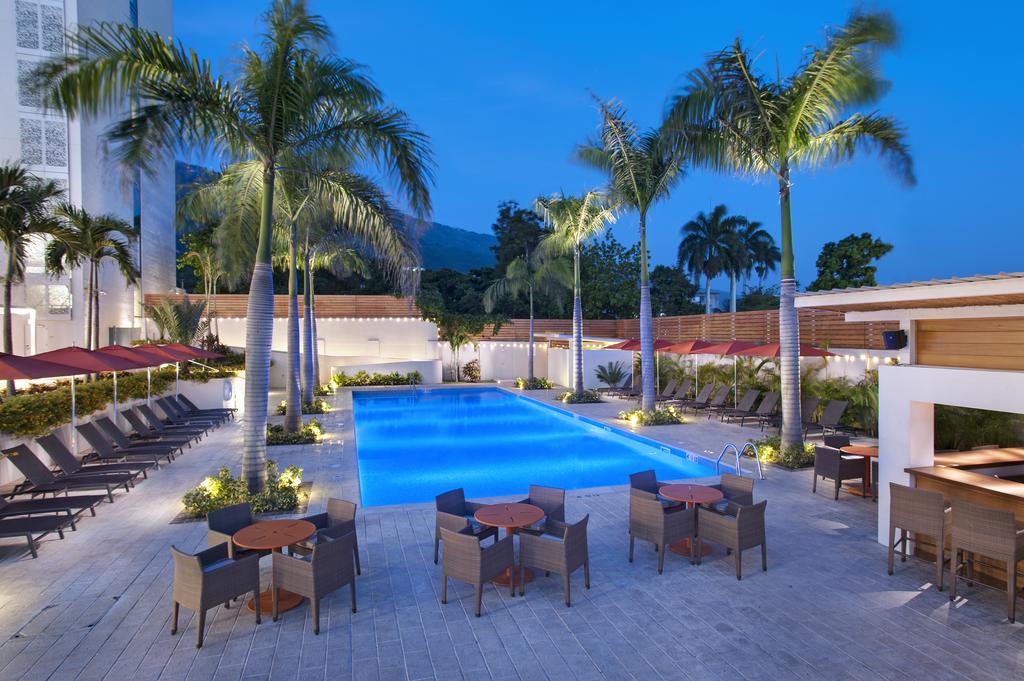
Marriott Port-au-Prince Hotel, Port-au-Prince
Find The Best Flight With Your Favorite Airline
Compare realtime airline prices
Need To Know
Unique Facts
- Haiti has mountain peaks reaching more than 8,000 feet high, making it the most mountainous country in the Caribbean. The name Haiti actually comes from the world Ayiti, which means “Land of Mountains.”
- Voodoo is recognized as an official religion in Haiti – the only country where this is so.
- With 5,600 plant species living in nine life zones from sea level to mountain top, Haiti boasts one of the highest levels of biodiversity in the Caribbean.
- No natural gas, oil or coal reserves exist in Haiti, so all fossil fuels and petroleum must be imported.
- The Western Hemisphere’s largest fortress, The Citadelle, sits on a mountain top in northern Haiti.
Language
Haiti’s official languages are Haitian Creole and French.
When To Go
The best time to go to Haiti is from November to March. There is heavy rainfall from April to June and hurricane season falls from August to October.
Airports
Cap-Haïtien International Airport, Cap-Haitien
Toussaint Louverture International Airport, Port-au-Prince
Passport Validity
Passport must be valid at time of entry.
Visa Required By US Citizen?
None for stays of up to 90 days
Vaccinations
The CDC recommends the following vaccines for most travelers when visiting Guadeloupe: Hepatitis A and Typhoid. Depending on where you are traveling, you may also need Hepatitis B, Rabies and Yellow Fever vaccines.
Electrical Outlets
Power plugs and sockets: type A and B. Standard voltage: 110V. Frequency: 60Hz.
Currency
Official local currency: Haitian Gourde
Getting Around
Use extreme caution when driving in Haiti, due to lack of signs, poor road conditions, high-speed drivers and pedestrians and animals on the roadways. Heavy rains can cause mudslides and flooding.
Public transportation options include “tap-taps” (collective buses), private motorcycles for hire and public taxi and bus service in some cities.
Driver’s License
A valid US driver’s license and an international driving permit are required.
US Embassy Info
U.S. Embassy Port-au-Prince
Boulevard du 15 October,
Tabarre 41, Route de Tabarre
Port-au-Prince, Haiti
Telephone: +(509) 2229-8000 / 2229-8900
Emergency After-Hours Telephone: +(509) 2229-8000
Fax: +(509) 2229-8027
acspap@state.gov
Local Visitor Info
Tourist Office
72 Rue 18 F
Cap-Haïtien, 1110
Haiti
Tel: +509 28 17 3555
Local Emergency Phone Numbers
General Emergency: 114
Safety and Security
While the crime rate is high in Haiti, Labadee, near Cap-Haitien and only accessible by cruise ship passengers, has private security and a low crime rate.
Have A Planning Question About Your Trip
Get Free Advice From A Travel Advisor
Don’t Forget These Essentials
TRAVEL ADVISORS
YOUR PASSPORT
FLIGHTS
HOTELS
CREDIT CARDS
TRAVEL INSURANCE
LOCAL TOURS GUIDES
CAR RENTAL
Most Recent Stories

Get Our Best Stuff First.
Sign up for our newsletters.
Don’t Forget
Your U.S. Passport
and Travel Visas