
Nicaragua

Welcome to Nicaragua
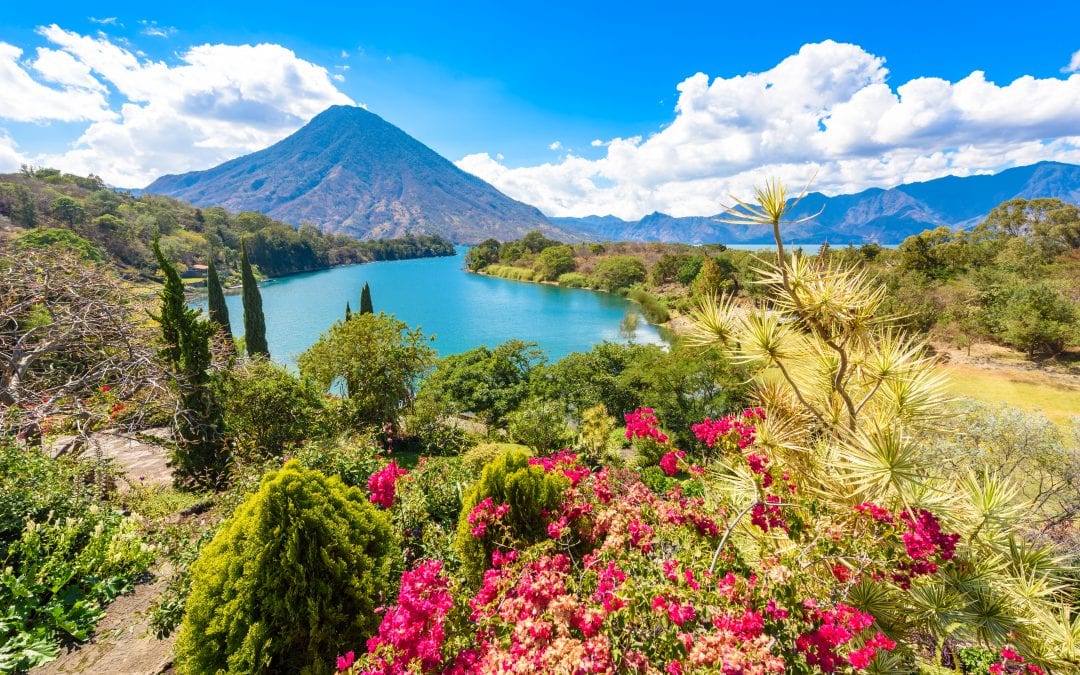
For a well-rounded Central American vacation, try on Nicaragua for size. With its volcanes, beaches, remote islands, verdant jungles and forests and enlightening colonial history, there’s something for everyone.
Between the Pacific and Caribbean coasts, you’ll find rich geography, Spanish fortresses, wetlands, elegant cityscapes, cooperative farms and more. And, everywhere, the locals are happy to share their culture.
Top Destinations
Request Your Free Vacation Plan
Our Travel Experts Will Find You The Best Deals, Fast.
Where To Stay
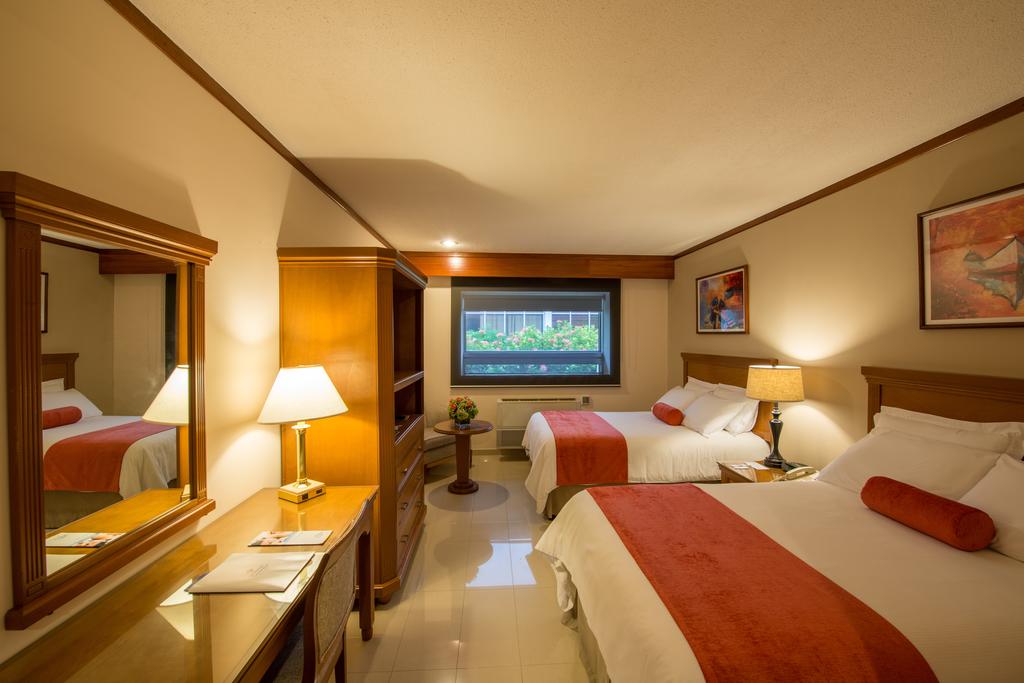
Hotel Globales Camino Real Managua, Managua
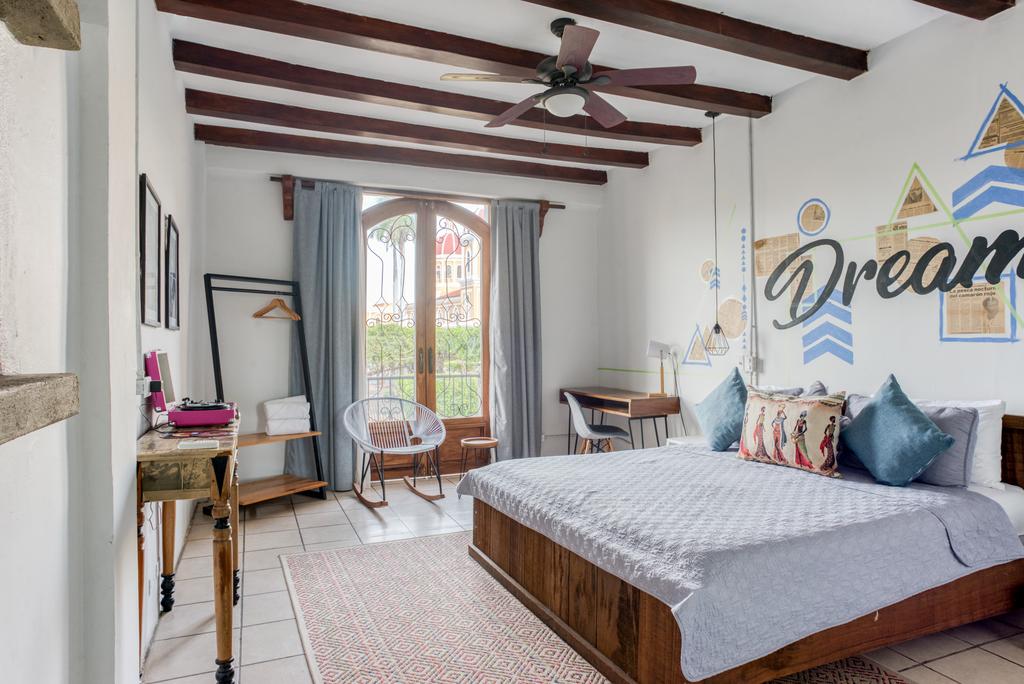
Selina Granada, Granada
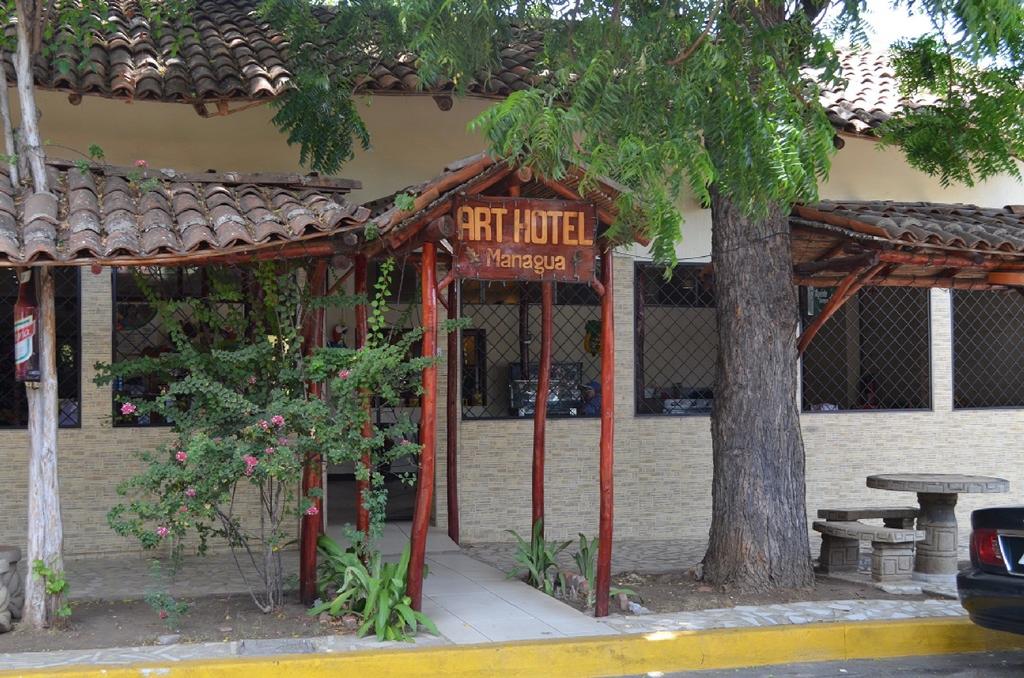
Art Hotel Managua, Managua
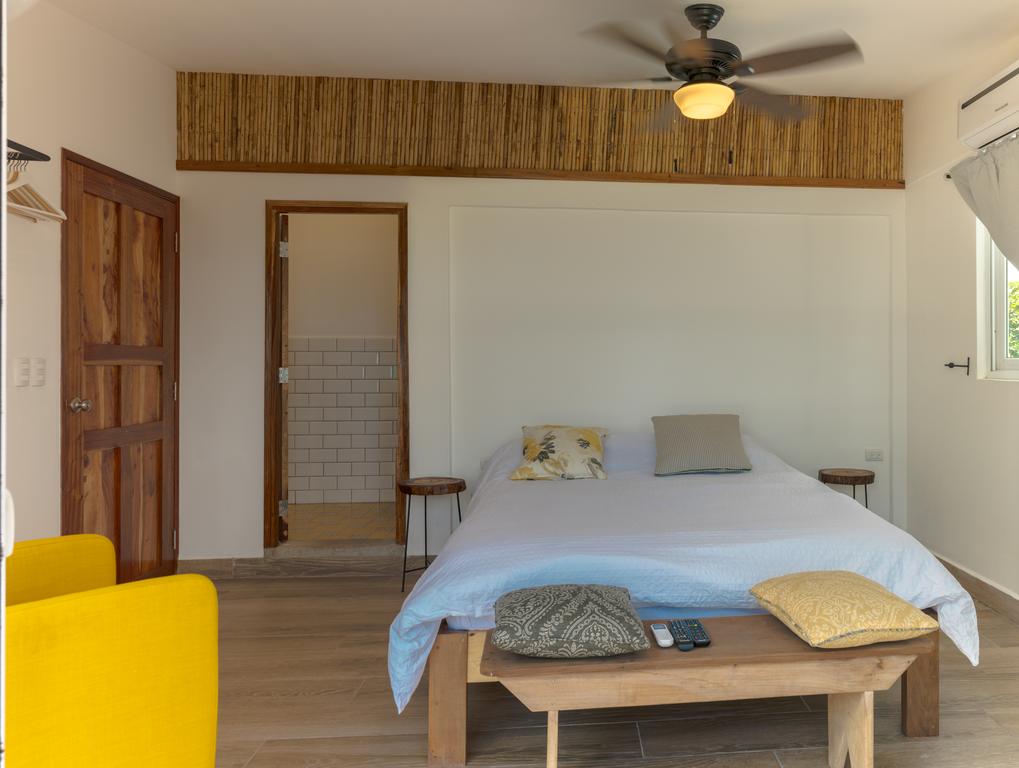
Aaki Hotel, Las Peñitas
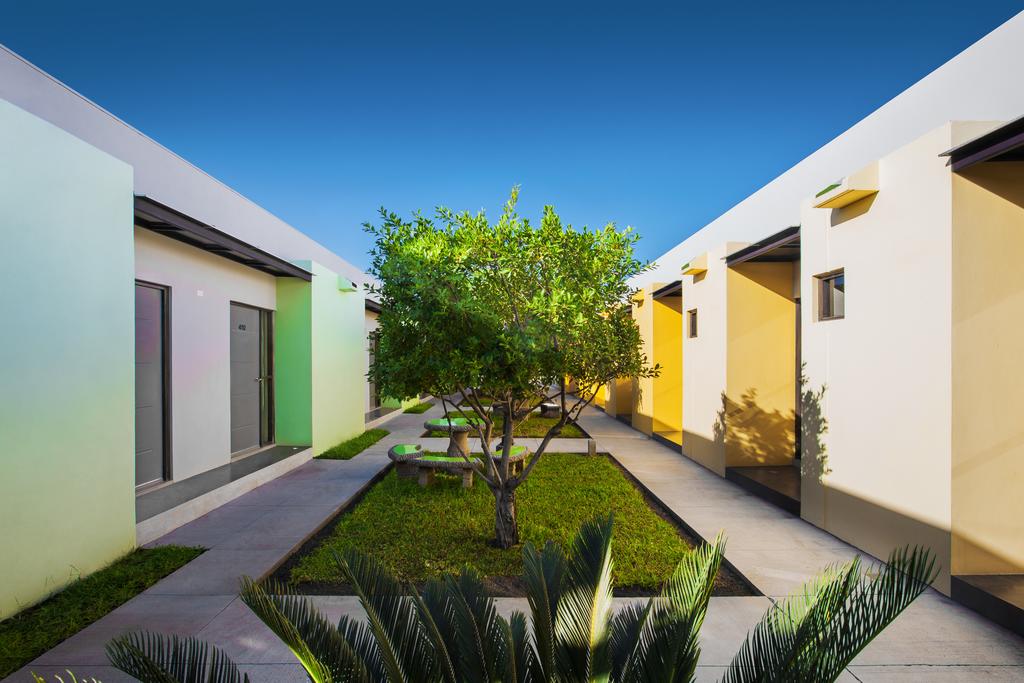
Airport X Managua, Managua
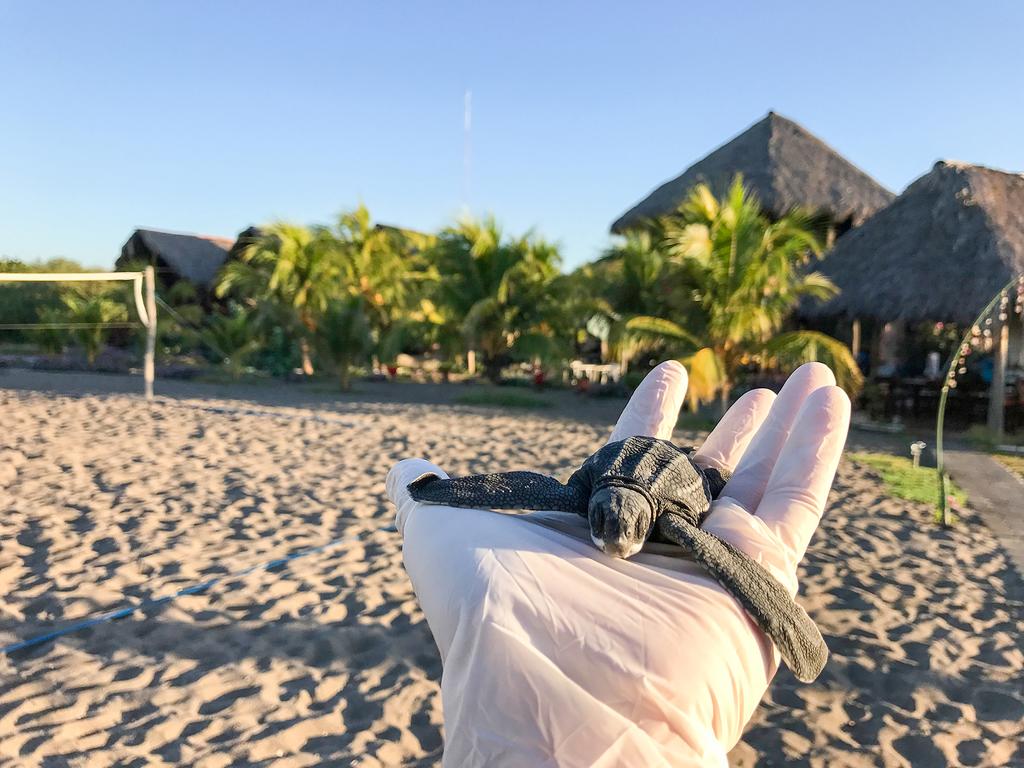
Surfing Turtle Lodge, Poneloya
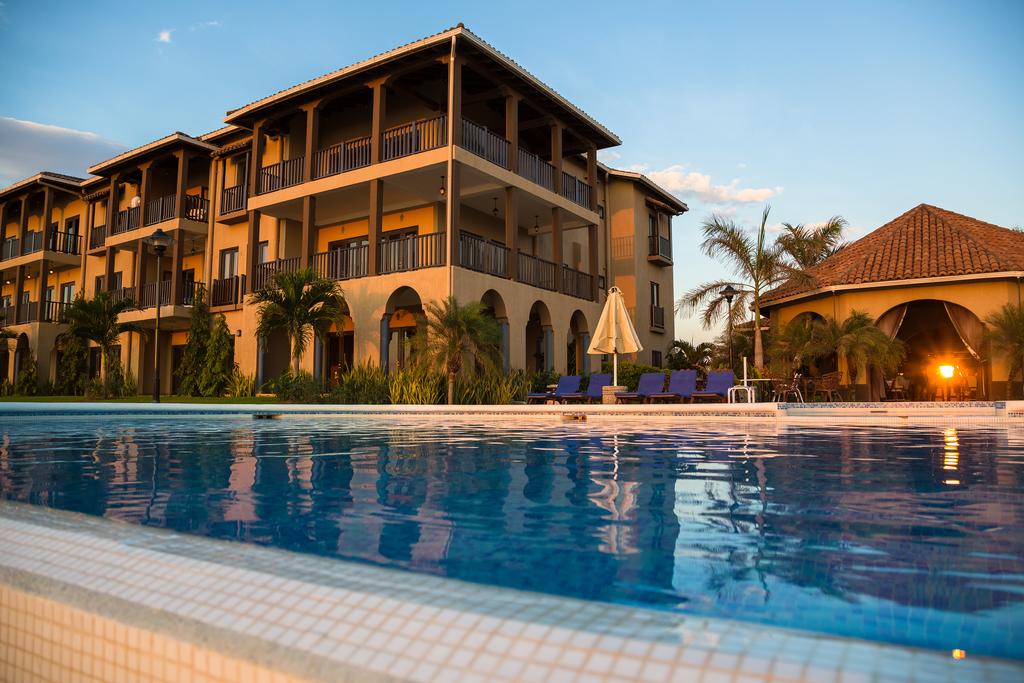
Gran Pacifica Beach and Golf Resort Condominiums, San Diego
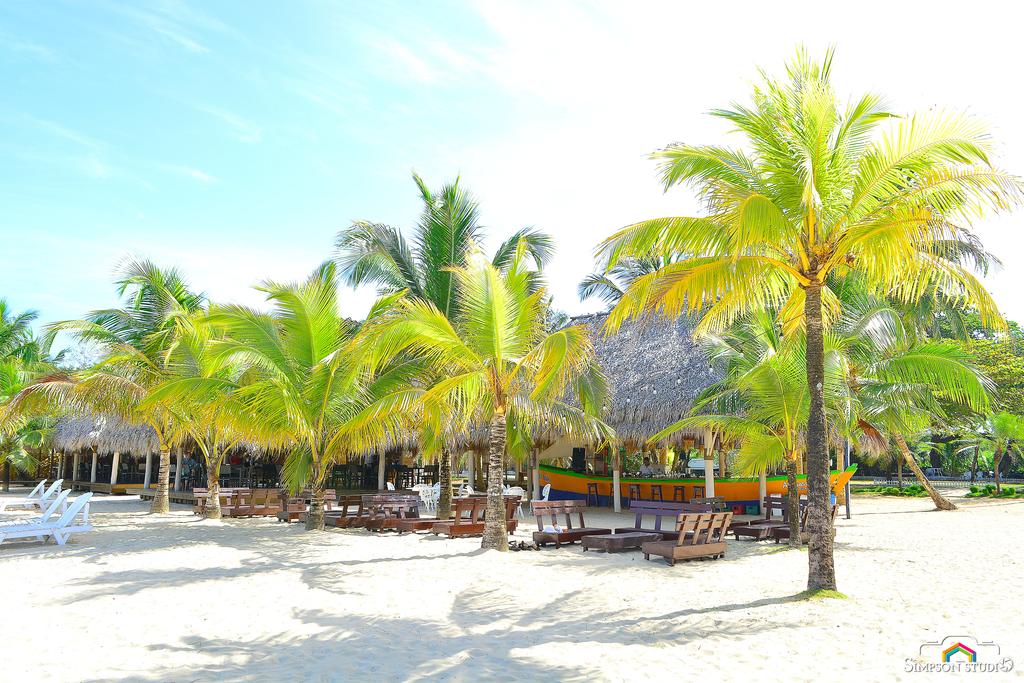
Arenas Beach Hotel, Big Corn Island
Find The Best Flight With Your Favorite Airline
Compare realtime airline prices
Need To Know
Unique Facts
- The largest lake in Central America is in Nicaragua. It’s called Lake Nicaragua and it has a size of 3,190 square miles. Although freshwater, the lake is home to sharks, tarpon and sawfish – as well as more than 400 volcanic islands.
- In Nicaragua, there are no street names. Locals will give you directions based on reference points, like known buildings, churches, etc.
- Of the 88 constellations in the night sky, 86 of them can be seen from Nicaragau.
- Most Nicaraguan dishes are based on corn, cassava, beans and chili pepper. One of the most common dishes is nacatamales, cornflower dumplings stuffed with vegetables, then boiled in plantain leaves.
- Nicaragua was named by Spanish explorer Gil Gonzalez de Avila in 1522 for a local Indian chief, Nicaro, and the Spanish word for water, agua.
Language
Nicaragua’s official language is Spanish.
When To Go
The best time to go to Nicaragua is during the dry months of November to April.
Airports
Augusto C. Sandino International Airport
Passport Validity
Passport must be valid at time of entry.
Visa Required By US Citizen?
None required for stays under 90 days (must obtain tourist card at airport)
Vaccinations
The CDC recommends the following vaccines for most travelers when visiting Nicaragua: Hepatitis A and Typhoid. Depending on where you are traveling, you may also need Hepatitis B, Malaria, Yellow Fever and Rabies vaccines.
Electrical Outlets
Power plugs and sockets: types A and B. Standard voltage: 120V. Frequency: 60Hz.
Currency
Official local currency: Córdoba
Getting Around
Main roads between major cities are paved and in good condition. Secondary or rural roads have potholes and are poorly lit, narrow and/or lack shoulders. Be aware of oxcarts, livestock and pedestrians crossing roads. Most roads on the Caribbean coast are unpaved. All roads are poorly marked. Do not travel after dark.
Public transportation options include buses, moto-taxis and ferries.
Driver’s License
A valid US driver’s license and an international driving permit are required.
US Embassy Info
U.S. Embassy Managua
Km 5 ½ Carretera Sur
Managua, Nicaragua
Telephone: +(505) 2252-7100
Emergency After-Hours Telephone: +(505) 2252-7100
Fax: +(505) 2252-7250
ACS.Managua@state.gov
Local Visitor Info
Tourism Institute of Nicaragua
Hotel Crowne Plaza, 1c Sur, 1c. Oeste
Managua, Nicaragua. Aptdo
Local Emergency Phone Numbers
Ambulance: 128
Police: 118
Fire: 115 (911 from cell phone)
Safety and Security
Automobile burglaries, pickpocketing and occasional armed robberies occur in store parking lots, on public transportation, and in open-air markets like the Oriental and Huembes Markets in Managua. Street crime is also common in Puerto Cabezas, Bluefields, San Juan del Sur, Popoyo, El Transito and the Corn Islands.
Have A Planning Question About Your Trip
Get Free Advice From A Travel Advisor
Don’t Forget These Essentials
TRAVEL ADVISORS
YOUR PASSPORT
FLIGHTS
HOTELS
CREDIT CARDS
TRAVEL INSURANCE
LOCAL TOURS GUIDES
CAR RENTAL
Most Recent Stories

Get Our Best Stuff First.
Sign up for our newsletters.
Don’t Forget
Your U.S. Passport
and Travel Visas