
South Sudan
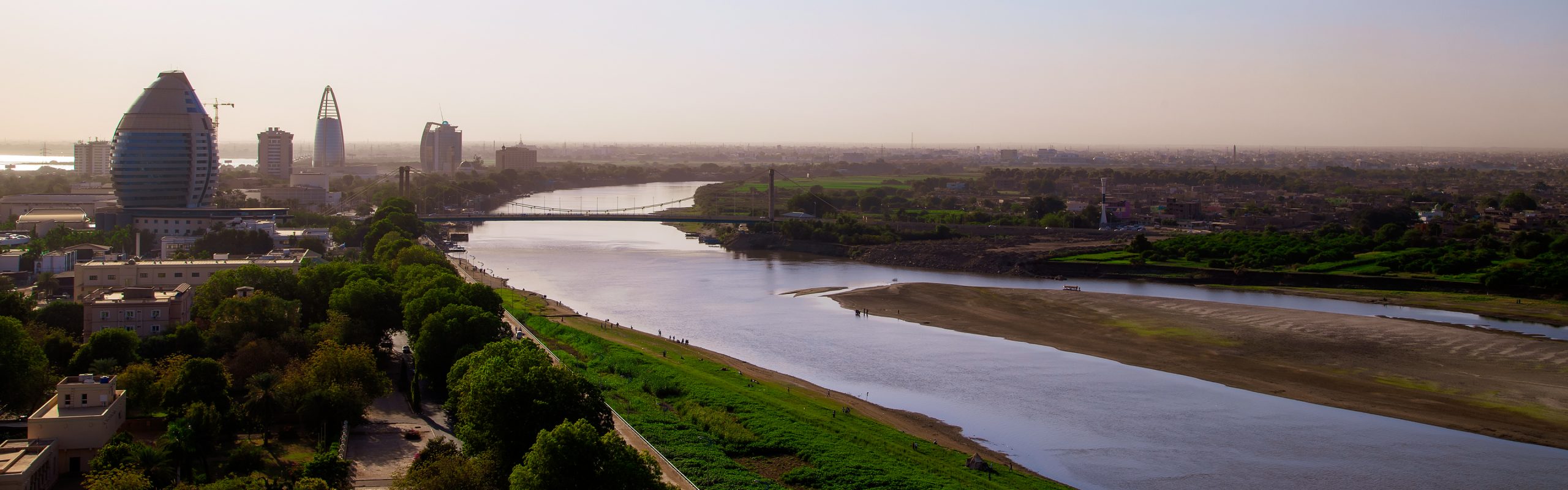
Welcome to South Sudan
South Sudan was created in July 2011 when Sudan, at the time Africa’s largest country, was split in two. Emerging after decades at war, the country remains largely undeveloped.
As it awakens to the world of tourism, educate yourself on the treasures of South Sudan, including its tribal groups and national parks. In Southern National Park, those who come will see Congo lions, colobus monkeys and bushbabies. Deffasa waterbucks wander the plains of Kidepo Game Reserve and elephant herds roam Opekoloe Island in Nimule National Park. Keep an eye on South Sudan as it reenters the wider world.
Top Destinations
Request Your Free Vacation Plan
Our Travel Experts Will Find You The Best Deals, Fast.
Where To Stay
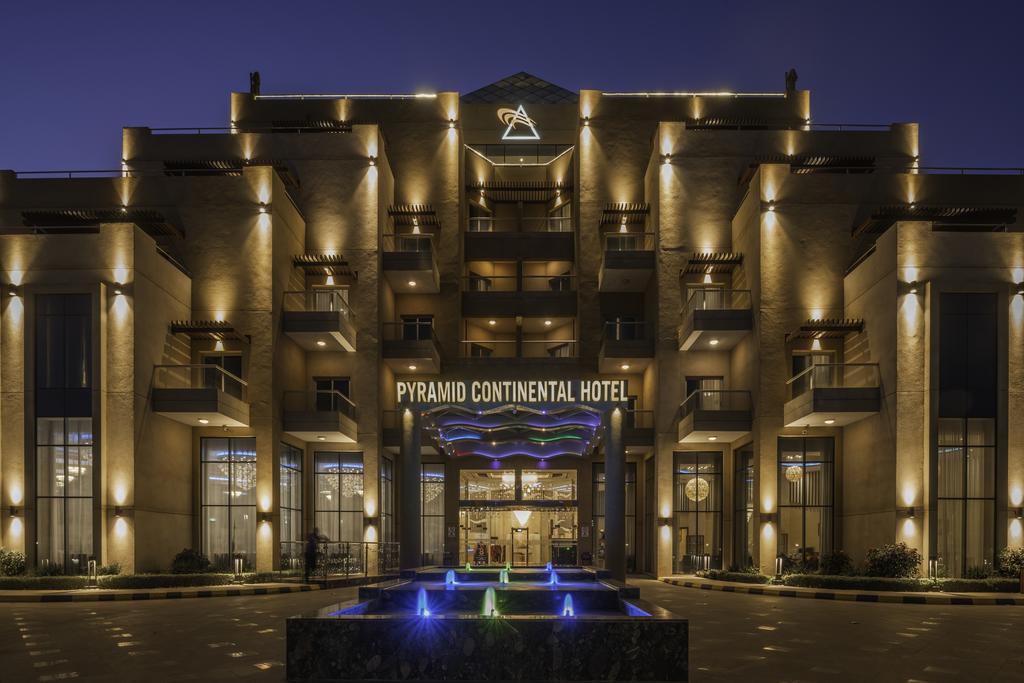
Pyramid Continental Hotel, Juba
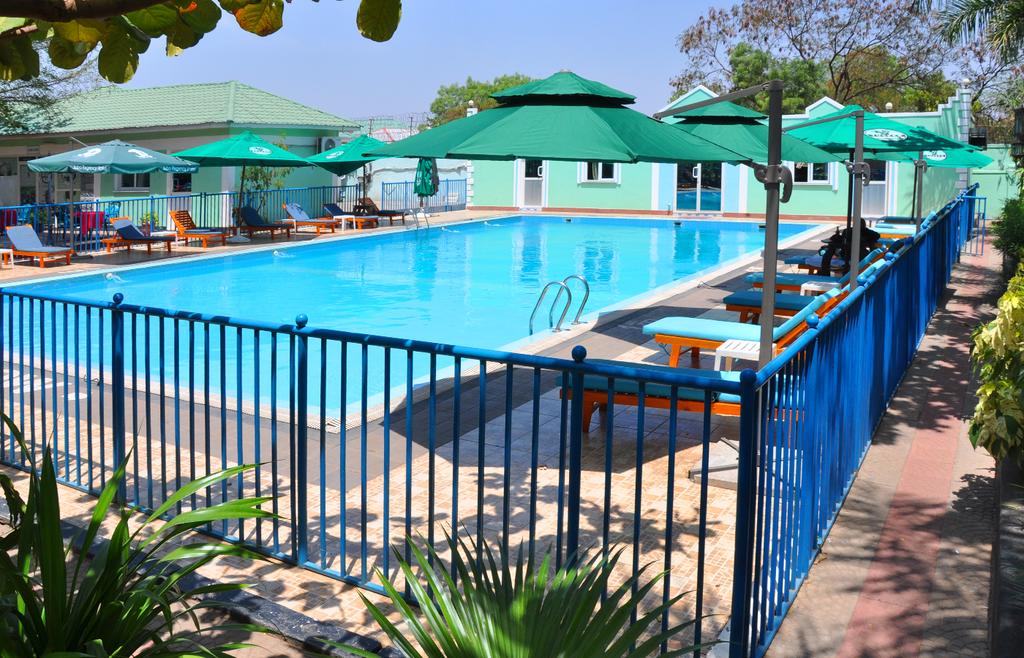
Juba Regency Hotel, Juba
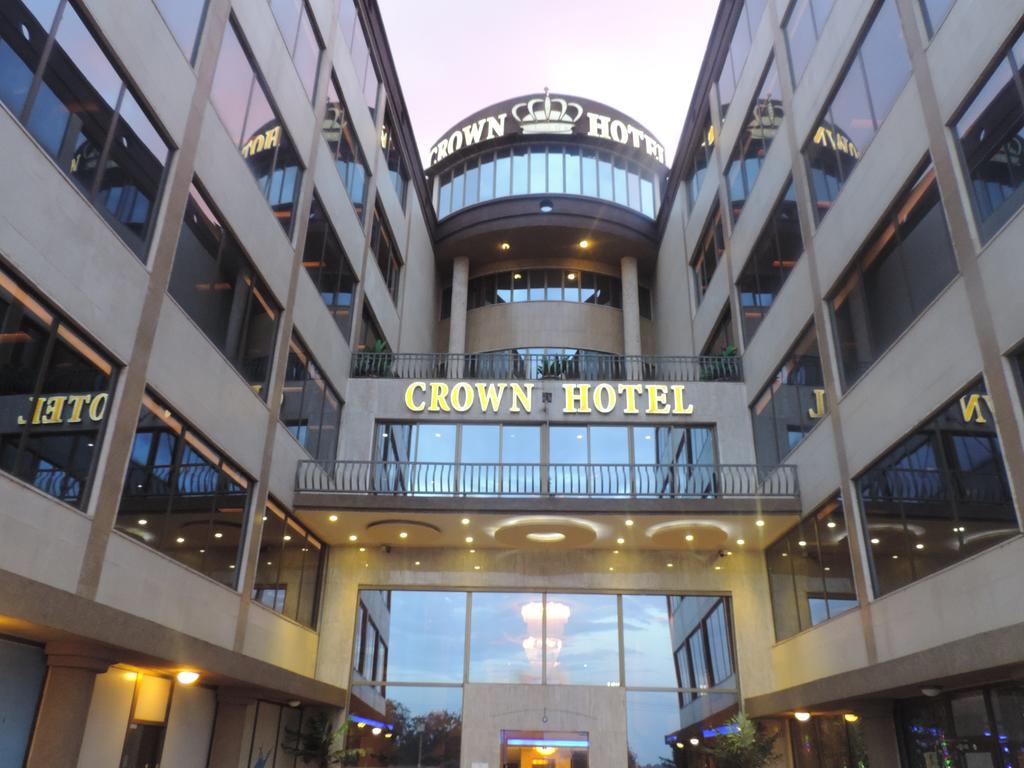
Crown Hotel Juba, Juba
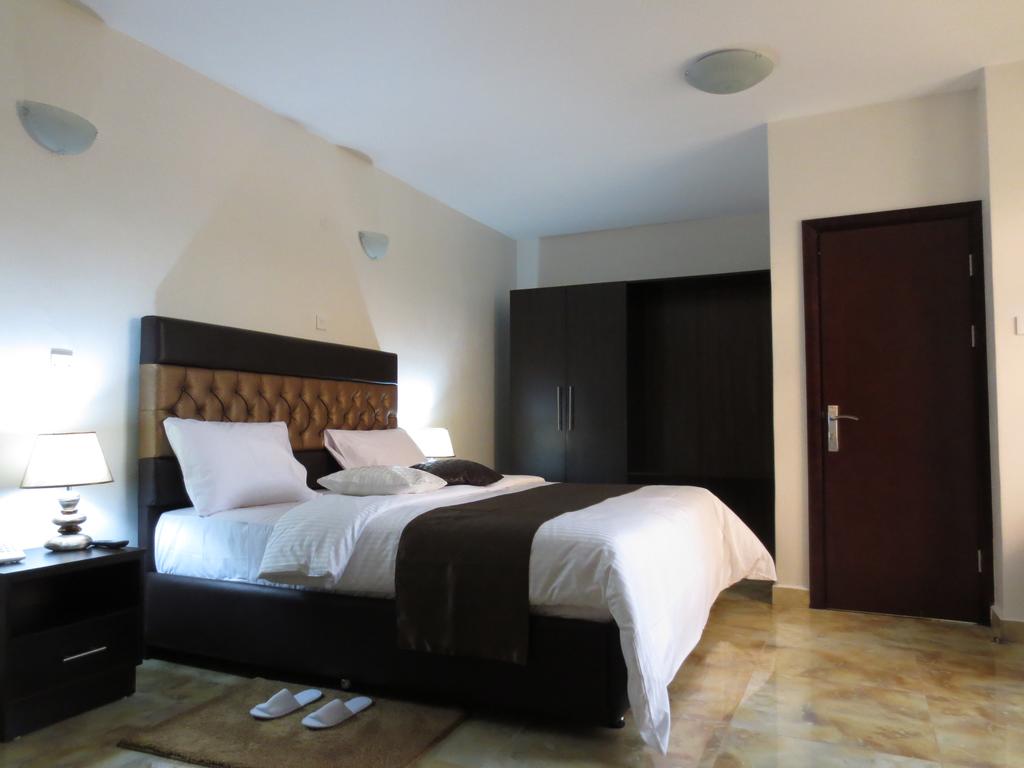
Airport Plaza Hotel, Juba
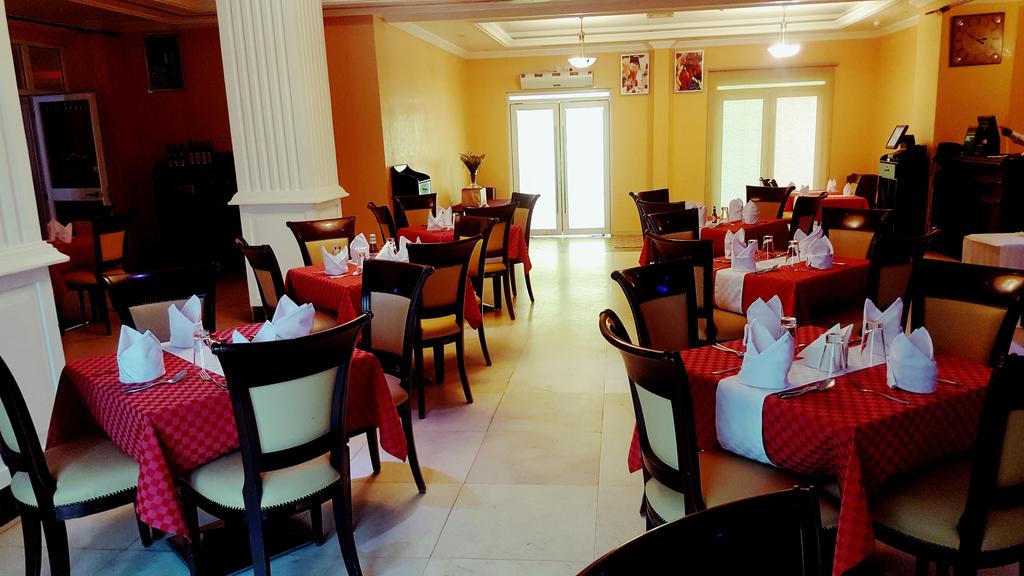
Panorama Portico Hotel, Juba
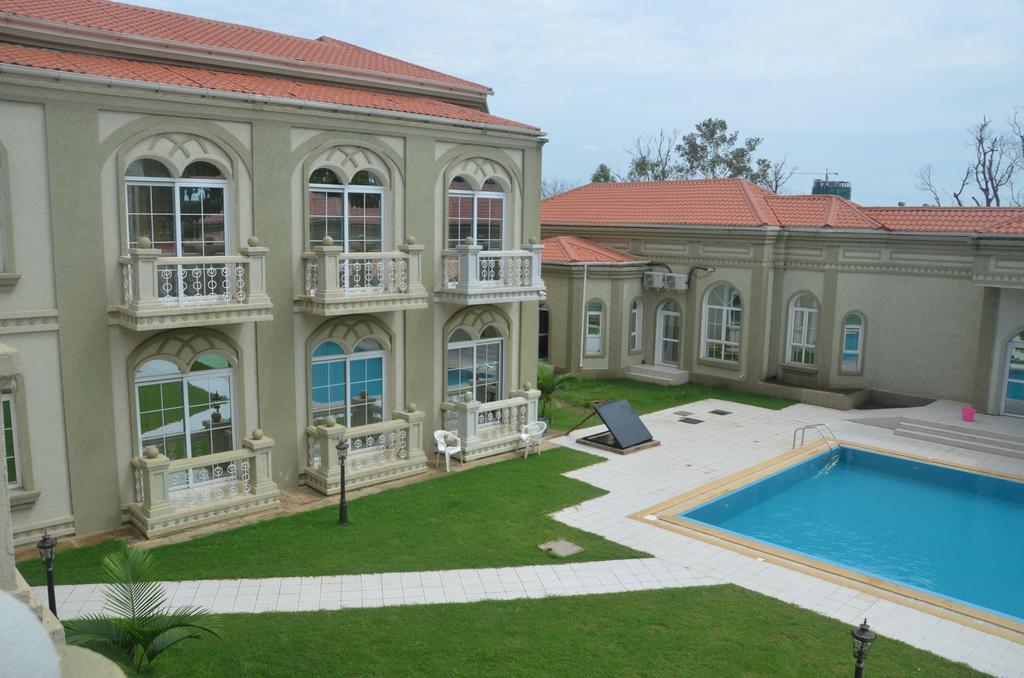
La Corte Toscana Hotel & Resort Juba, Juba
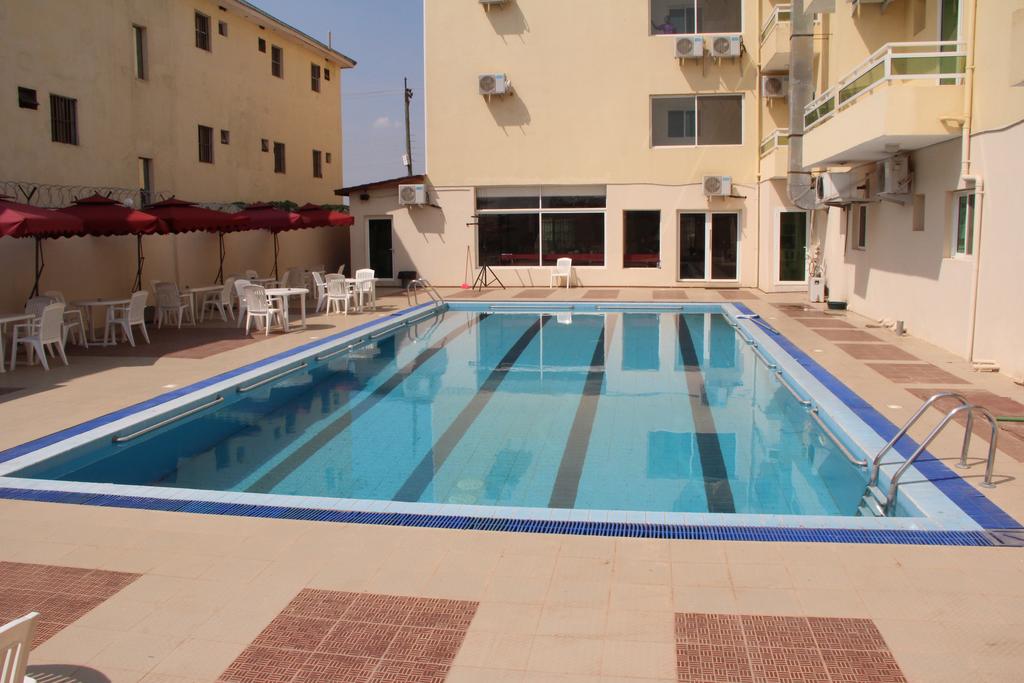
Riviera Business Hotel Juba, Juba
Find The Best Flight With Your Favorite Airline
Compare realtime airline prices
Need To Know
Unique Facts
- South Sudan was created by splitting the country of Sudan. Today, South Sudan is about the size of France and home to approximately 11 million people.
- Boma National Park near the Ethiopian border is home to Mongalla gazelle, white-eared kob, tiang, antelope, elephants, hartebeests, lions, leopards and more.
- There are 200 ethnic groups living in South Sudan, including the Dinka, the Shilluk, the Nuer, the Acholi and the Lotuhu.
- Cows are a sign of wealth in South Sudan and often used as a form of currency.
- The main crops in South Sudan are maize, rice, wheat, millet, mangoes, bananas, papayas, sugarcane, cotton, sweet potatoes, beans and peanuts.
Language
South Sudan’s official language is English.
When To Go
The best time to go to South Sudan is from December to early February, when its dry and warm, but not too hot.
Airports
Juba International Airport
Passport Validity
Passport must be valid for six months beyond arrival date.
Visa Required By US Citizen?
Yes
Vaccinations
The CDC recommends the following vaccines for most travelers when visiting South Sudan: Hepatitis A, Malaria, Yellow Fever and Typhoid. Depending on where you are traveling, you may also need Hepatitis B, Cholera, Meningitis and Rabies vaccines.
Electrical Outlets
Power plugs and sockets: types C and D. Standard voltage: 230V. Frequency: 50Hz.
Currency
Official local currency: South Sudanese Pound
Getting Around
If driving in South Sudan, be aware that most roads are unpaved, narrow, rutted and poorly maintained. Expect armed checkpoints.
Hire public transportation, such as a car and driver. Some public transit to rural communities is available by minibus, although they run on an irregular schedule.
Driver’s License
A valid US driver’s license is required.
US Embassy Info
U.S. Embassy Juba
Kololo Road, Tongping
Juba, South Sudan
Telephone: +(211) 912-105-188 (Monday through Friday, 8:00 a.m. to 12:00 p.m.)
Emergency After-Hours Telephone: +(211) 912-105-107
ACSJuba@state.gov
Local Visitor Info
n/a
Local Emergency Phone Numbers
n/a
Safety and Security
The crime rate is high in South Sudan. Crimes of opportunities throughout the country include muggings, pickpocketing, theft from vehicles and fraudulent currency exchanges. Do not travel alone, especially at night. Violent crimes do occur outside Juba. Practice safety precautions. Do not leave belongings unattended.
Have A Planning Question About Your Trip
Get Free Advice From A Travel Advisor
Don’t Forget These Essentials
TRAVEL ADVISORS
YOUR PASSPORT
FLIGHTS
HOTELS
CREDIT CARDS
TRAVEL INSURANCE
LOCAL TOURS GUIDES
CAR RENTAL
Most Recent Stories


Get Our Best Stuff First.
Sign up for our newsletters.
Don’t Forget
Your U.S. Passport
and Travel Visas