

For an easily accessible, outdoor vacation, consider the massive Rocky Mountain National Park. This picturesque park is home to incredible peaks that soar 12,183 feet into the Colorado sky and is everything you envision when you think “out west” or “the great wilderness.” Hiking is the biggest draw here, with more than 350 miles of trails. You’ll pass alpine lakes, wind your way through thick forests and maybe catch a glimpse of the resident elk or bighorn sheep. Summer brings fields of wildflowers and endless days of sunshine. From the engaging village of Estes Park to spooky Stanley Hotel, this is a place where it’s totally fine to say your head is in the clouds. Here we have the answers to your most pressing questions about Rocky Mountain National Park and what you must see while you’re there.
What Is the Best Time to Visit Rocky Mountain National Park?
To take best advantage of Rocky Mountain National Park’s hiking trails and jaw-dropping waterfalls, visit between June and September. The trails are almost all snow-free at this time and it’s easy to drive about the park. If you can get the kids out of school, visit during September and October. The leaves are starting to turn and you have a higher chance of spotting the rutting elk in Horseshoe Park. If it’s a winter wonderland you seek, consider visiting between October and May – just bring some snowshoes or cross-country skis. The park is open 365 days a year, 24 hours a day, though not all sections are accessible year-round.
How Long Should You Spend in Rocky Mountain National Park?
Ideally, you’ll spend at least three days in Rocky Mountain National Park. During that time, you can drive the Alpine Ridge Road and Old Fall River Road and get in some good hikes. If you want to really stretch your legs, plan to stay five days. You’ll be able to acclimate to the higher elevation and enjoy some of the longer, higher trails such as Mount Ida, Hallett Peak and Longs Peak.

How Should I Get Around Rocky Mountain National Park?
To explore Rocky Mountain National Park at your leisure, drive your own car or rent one. There is a free park shuttle that runs most of the popular routes and lands you at the park’s main attractions and trailheads. For best access, fly into Denver International Airport and drive approximately 80 miles to Estes Park. There is no public transportation between the airport and the park.

Where Should I Stay When Visiting Rocky Mountain National Park?
Rocky Mountain National Park has no overnight accommodations within its boundaries. There are, however, five established campgrounds for tent or vehicle camping: Aspenglen, Glacier Basin, Moraine Park, Longs Peak and Timber Creek. Reservations for these campgrounds are recommended for the summer and fall months. If you’re an avid backpacker, there are 120 designated sites scattered in Big Meadows, near Grand Lake and Boulder Field on the way to the Longs Peak summit. You’ll need a pre-arranged wilderness permit for these sites.
For hotel or lodge accommodations, consider nearby Estes Park and Grand Lake. Estes Park offers cozy cabins, historic hotels, lodges, inns, vacation homes and condo, with more than 150 different choices. Some of the lodging options are even pet-friendly. Maybe you’re up for a stay in the magnificent Stanley Hotel, known for inspiring the hotel in the Stephen King novel, The Shining. There’s a full-service spa here, outdoor adventure programs, a variety of guest room styles, entertainment, outstanding food, an outdoor swimming pool and more.
In Grand Lake, many of the accommodations boast fantastic views of Rocky Mountain National Park. There are bed and breakfasts, inns, hotels, motels, cabins, lodges, ranches and vacation homes from which to choose. From here, you can access Rocky Mountain National Park through the Western Entrance, which provides access to Adams Falls, North Inlet and East Shore Trails. While you’re in town, talk a walk on the historic boardwalk, where you’ll find countless shops and galleries, attend a performance by the Rocky Mountain Repertory Theater, go golfing or horseback riding or head out on the lake to sail and fish.
Do You Need Bear Spray in Rocky Mountain National Park?
Bear spray and bear bells are advised where grizzly bears are found, but the only bears within Estes Park and Rocky Mountain National Park these days are black bears. It is, therefore, not necessary to carry bear spray in these parks. It is, however, important that you always store your food properly, in airtight containers and in bearproof lockers.
Hike in groups and make a little noise so you don’t end up startling a black bear. Keep children close to you, not too far ahead or behind. And, if you see a bear, give it space. If it approaches, make noise, wave your arms and yell at the bear to go away.
What Should You Not Miss in Rocky Mountain National Park?

The simple act of driving on the Trail Ridge Road (Highway 34) – the highest paved highway in the United States – will go down as one of your favorite experiences in Rocky Mountain National Park. The Rockies are spread out in front of you, beside you, behind you – everywhere you look. The road runs 48 miles from Estes Park to Grand Lake, with its highest elevation at 12,000 feet. There are plenty of pull-offs to take in the view, so keep your eye on the road when you’re driving. The road is open from late May to mid-October.
2. Beaver Meadows Visitor Center
Get your bearings and learn about the park from expert rangers at the Beaver Meadows Visitor Center (and any other of the park’s outstanding centers). Pick up books, maps and even rent hiking equipment.
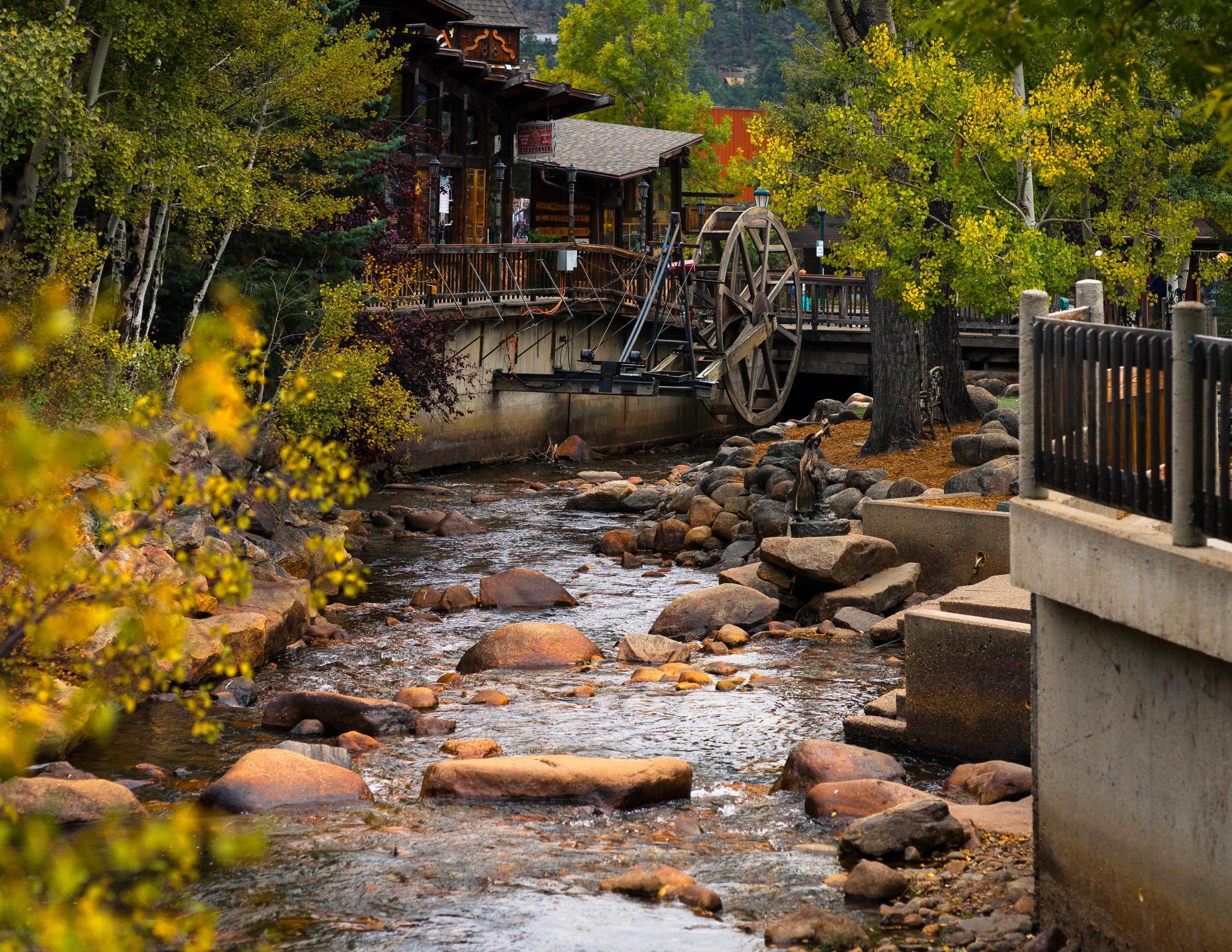
3. Estes Park
-
For many, Estes Park is their gateway to Rocky Mountain National Park and where they’ll choose to stay. There are plenty of restaurants, bars and shops (the majority of which are independently owned) to fill your downtime, most of which line Elkhorn and Moraine avenues. Walk the Riverwalk along the Big Thompson River for more choices for waterfront dining. Go fishing in Fall River. Enjoy a locally produced bottle or wine or some of the best ice cream you’ll ever taste. Keep an eye out for outdoor jazz concerts, wine tastings and cowboy sing-a-longs.

4. Bear Lake
An easily accessible trail, the one-mile trek around Bear Lake promises stunning scenery. As you walk the perimeter of the lake, you’ll see Hallett Peak and Half Mountain in the distance. There are several trails that lead out farther from the Bear Lake trailhead, including the Emerald Lake Trail.
5. Emerald Lake Trail
This is another popular hike within Rocky Mountain National Park, so plan to arrive early to ensure a parking spot. The trail is 3.5 miles roundtrip and goes past Nymph Lake, Cream Lake and Tyndall Creek with views of Longs Peak, Hallett Peak and Flattop Mountain. When you reach Emerald Lake, you’ll be at an elevation of about 11,000 feet.
6. Moraine Park Museum
Give your hiking legs a break and visit the Moraine Park Museum. This insightful museum in a converted early-20th-century log cabin includes exhibits on everything from geology to wildlife, elk to glaciers. Listen to one of the engaging talks in the outdoor amphitheater or take a load off in one of the rocking chairs on the second floor and admire the alpine views.
Recommended Hikes in Rocky Mountain National Park

Chasm Lake, 8.6 miles roundtrip, elevation gain 2,456 feet, strenuous
Pass through subalpine forest, cross tundra meadow, watch for marmots and pikas and savor spectacular views from Chasm Lake, just below Longs Peak (the highest peak in Rocky Mountain National Park). Along the way, you’ll have views into the gorge of Peacock Pool and Columbine Falls.
The Pool, 3.4 miles roundtrip, elevation gain 205 feet, moderate
This lovely, moderate hike from the Fern Lake Trailhead runs along the Big Thompson River, so if you’re an angler, cast a line and try your luck. During the spring and summer, the wildflowers along this hike are particularly stunning.
The Loch, 5.4 miles roundtrip, elevation gain 940 feet, moderate
A popular destination in the scenic Loch Vale, this switchback-heavy trail starts at the Glacier Gorge Trailhead. Pass through aspen forest and over two bridges that lead to Alberta Falls. You’ll continue on to Mills Junction and into a beautiful gorge before reaching The Loch, which is surrounded by the peaks and glaciers of the Continental Divide.

One of Rocky Mountain National Park’s most popular hiking destinations for its ease and its incredible waterfall, Alberta Falls is access from the Glacier Gorge Trailhead. Hikers of all abilities will enjoy the thundering 30-foot cascade of Glacier Creek at the falls – there are several rock slabs perfect for picnicking.
Deer Mountain, 6 miles roundtrip, elevation gain 1,083 feet, moderate
Bag a summit that takes your through sweet-smelling ponderosa pines and ends with views of Longs Peak, Moraine Park, Upper Beavers Meadow and Estes Park.
Flattop Mountain, 8.8 miles roundtrip, elevation gain 1,215 feet, strenuous
You’re in the Rocky Mountains, so take this opportunity to hike to the top of the Continental Divide. At the top, you’ll have beautiful views of Dream Lake and Hallet Peak – if you wish, continue to Hallet Peak, Tyndall Glacier or along the North Inlet Trail to Grand Lake.
Where Can I See Wildlife in Rocky Mountain National Park?

As much as you came to Rocky Mountain National Park to see mountains, you’re likely hoping to see wildlife as well. The most common sighting here is the elk herd, which during the winter, can number as many as 600 to 800 elk. There are also approximately 350 bighorn sheep living in the park, mule deer and moose.
Here are some tips for spotting wildlife in the park – with both their safety and yours in mind.
-Look for elk anytime, particularly in the fall, during their mating season. The herds tend to congregate in meadows, where the forest and meadow meet. Their feeding times are dawn and dusk.
-Look for bighorn sheep at Sheep Lakes between May and mid-August.
-Look for moose in the willow thickets along the Colorado River in the Kawuneeche Valley.
-Look for mule deer anywhere, mostly at open areas in lower elevations.
-Look for bats at dawn and dusk over lakes and ponds.
-Look for marmots and pikas in rocky areas, especially while hiking and in the alpine tundra of Trail River and Old Fall River roads.
-Look for Clark’s nutcrackers, Stellar’s jay, golden eagles and prairie falcons along the Trail Ridge Road.
-Look for white-tailed ptarmigans while you’re hiking through the tundra.
What Should I Know Before Visiting Rocky Mountain National Park?
- Prepare for altitude sickness. Especially if you live at lower elevations, you’ll want to take time to acclimate, especially before tackling any high-elevation hikes. You’ll feel it as a light headache – or more severely, as nausea, vomiting and disorientation. Take it easy the first few days and eat and drink regularly.
- Check in with the park about road closures. Even in June, there is still some snow on certain roadways – and there may even be a stray snowstorm. Check the website for real-time road updates.
- Expect the unexpected. Pack for all kinds of weather – it may be 20 or 30 degrees cooler on a mountain summit than at the start of the hike. The weather is famously erratic, and thunderstorms can crop up in minutes. Keep extra layers, including a rain jacket, in your pack.
- Be an early bird. As the third most-visited national park in the United States, you can expect crowds at Rocky Mountain National Park. If you’re tackling one of the most popular hikes, your best bet is to get a super early start. Some of the spots – like Bear Lake or Trail Ridge Road – are full before breakfast. If you don’t feel like battling for a parking spot, use the park’s shuttle.