
What Do I Need to Know Before Visiting Jerusalem?
Tips from those who have journeyed to Israel:
- Carry electrical adapters with you. You’ll want the 3 round-pegged prong – pick up a couple so you’ll always have one with you.
- Pack modest clothing. Plan to wear modest coverings when you are visiting religious spots in Jerusalem, such as the Western Wall. Sleeves should fall below the elbows and pants or skirts are a better idea than shorts.
- Keep the paper visa from the airport handy during your travels in Israel. Israel does not stamp your passport, but instead gives you a paper visa to carry with you. This is your proof that you have entered the country legally and you may be required to show it at various crossing points. Keep it tucked away safely with your airport.
- Plan for Shabbat hours. The Sabbath for Jews starts at sunset on Fridays. Therefore, the weekend is considered Friday and Saturday (working days are from Sunday to Thursday). Remember this when visiting religious sites that may close down at 4 PM on Friday and not open again before Saturday night.
- Take advantage of the taxi service. One of the most efficient and economical ways to get around Jerusalem is shared taxi, or Monit Sherut. These small yellow or white vans can take you between cities and to major sightseeing destinations.
Is Jerusalem Travel Dangerous for Tourists?
A common question when considering travel to Jerusalem: Is it safe? Indeed, it is. The main tourist areas of Israel are both safe and enjoyable, including Tel Aviv, Jerusalem, Haifa, the Negev, the Dead Sea and Galilee. It is advised that you are vigilant when visiting east Israel. The US State Department advises caution in the Old City and when traveling to the West Bank.
How Many Days Do You Need to Visit Jerusalem?
Plan on a week to discover this fascinating city. This will give you plenty of time to visit all the main attractions in Jerusalem and also branch out to Tel Aviv, Galilee, the Golan Heights and the Dead Sea region.
What Is the Best Time of Year to Visit Jerusalem?
The best times for Jerusalem travel are April to May and October and November. The weather is mild and comfortable and the crowds have thinned. You’ll want to check the religious calendar to see if your travel dates coincide with High Holy Days, Sukkot, Passover or other major Jewish holidays. The high (read: most expensive) season is the summer. Winter weather is variable, but this is when you’ll find the best deals on hotels.
What Should You Not Miss in Jerusalem?
First, get your bearings. Jerusalem is divided into three sections: the Old City, West Jerusalem and East Jerusalem. The stone wall-enclosed Old City is home to most of the city’s major attractions, including the Western Wall and the Dome of the Rock. West Jerusalem’s action centers around Jaffa Road and Ben-Yehuda Street with ample choices for shopping and dining. East Jerusalem is the heart of the Arab community – there are several bustling markets in this area.
Here’s what not to miss during your Jerusalem travel:
- Old City
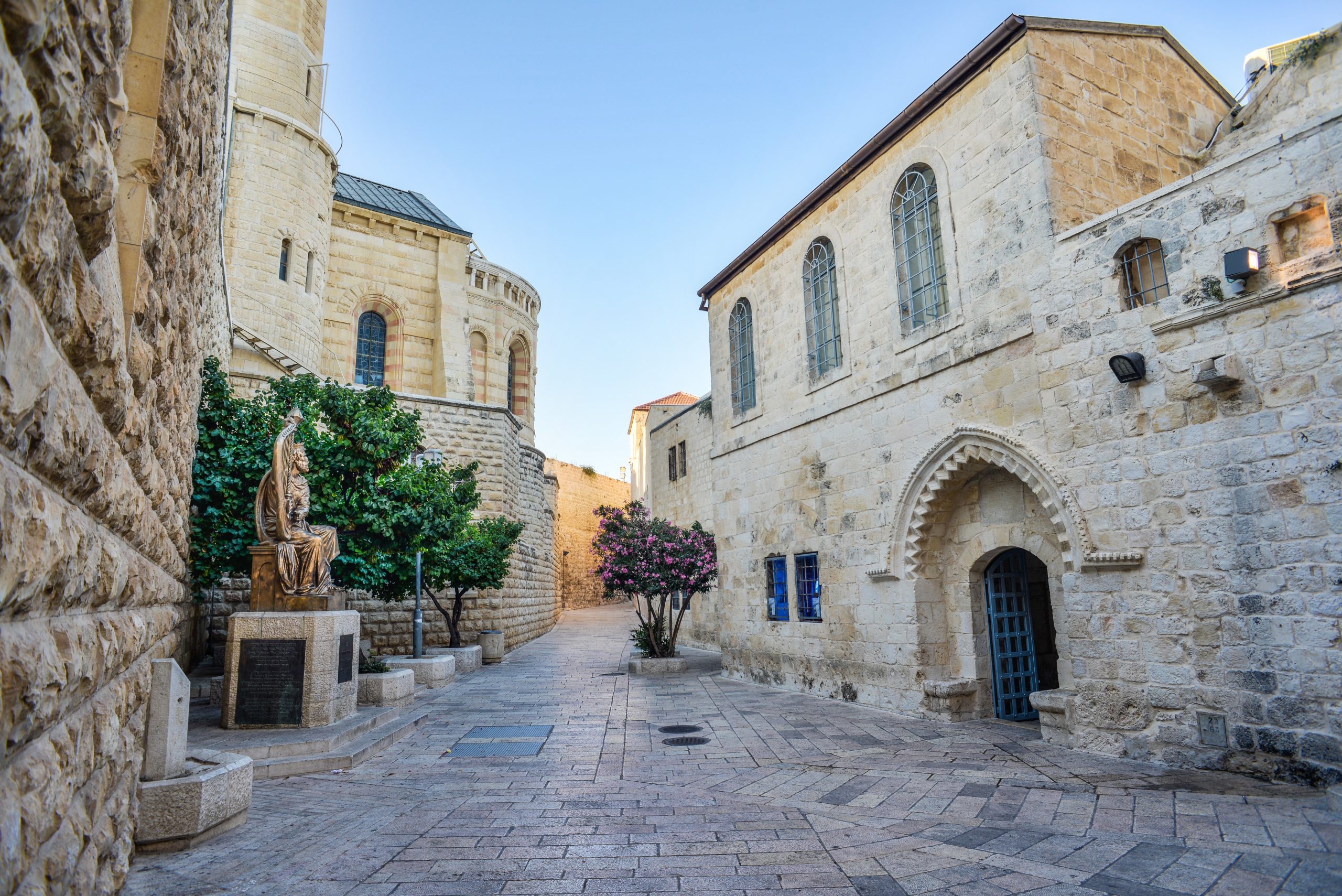
This is going to be where you spend the most time in Jerusalem. The Old City dates back to 1004 BC when it was built by King David and today is made up of four area: the Jewish Quarter (Cardo), the Muslim Quarter, the Christian Quarter and the Armenian Quarter. You’ll want to visit each for its distinctive character, religious sites and food.
Enter the Old City from the New Gate, the Damascus Gate, Herod’s Gate, Lions’ Gate, Dung Gate, Zion Gate or Jaffa Gate – each symbolizes an significant period in the history of Jerusalem. Among the sites you’ll want to see in the Old City are the Tower of David (at the Jaffa Gate), the Western Wall, the Church of the Holy Sepulchre and Temple Mount.
- Western Wall (Wailing Wall)
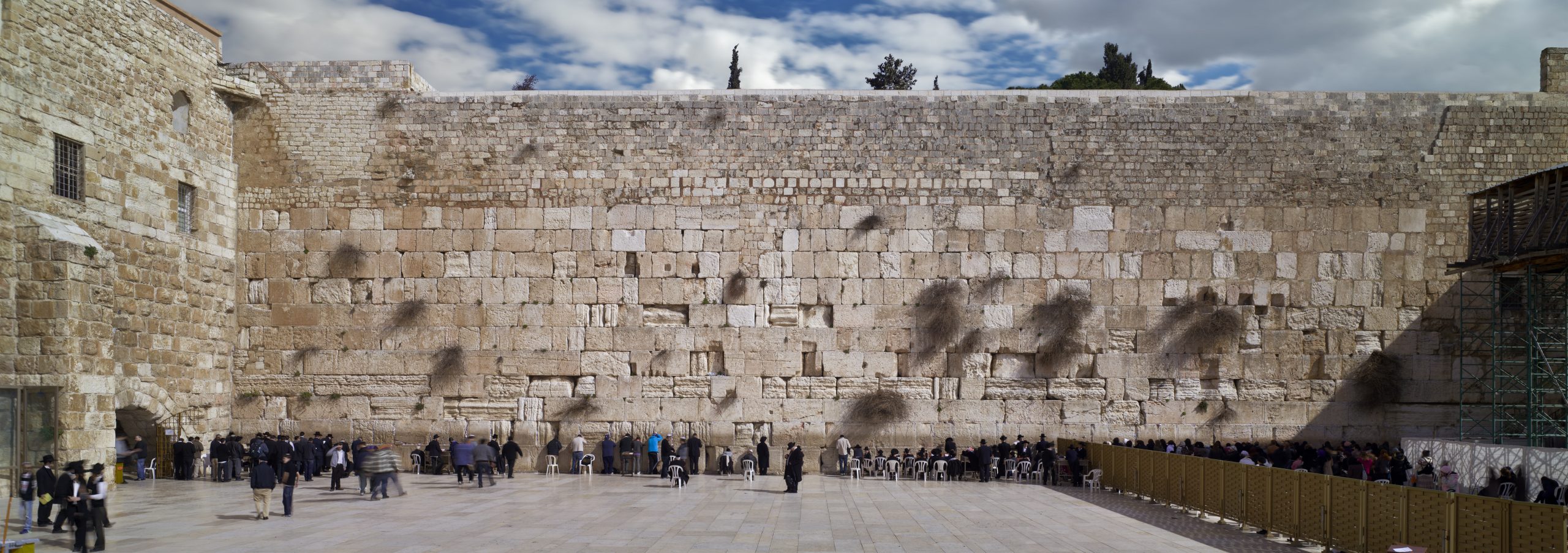
This significant historic site for the Jewish faith is in the heart of the Old City. These remains of King Herod’s Second Temple renovation date back to the first century BC. Jewish and non-Jewish pilgrims alike visit the wall in droves each year to leave a prayer or wish for God between the stones. There are two areas of the most prominent part of the wall (accessed via the Prayer Plaza): one for women and one for men. If you’re interested in the archaeological side of the Western Wall, tour the underground section on a guided tour of the Western Wall Tunnels.
- Israel Museum
Take a tour through the history and culture of Israel and Jerusalem at the Israel Museum. This vast institution – covering 20 acres – is home to approximately 500,000 artifacts. The legendary Dead Sea Scrolls are here, located in the Shrine of the Book. Also check out the Second Temple Jerusalem Model, which recreated the city from 66 CE, with the Temple Mount at the center and detailed Greco-Roman architecture and monumental buildings. Find the museum is in West Jerusalem north of the Jaffa Gate.
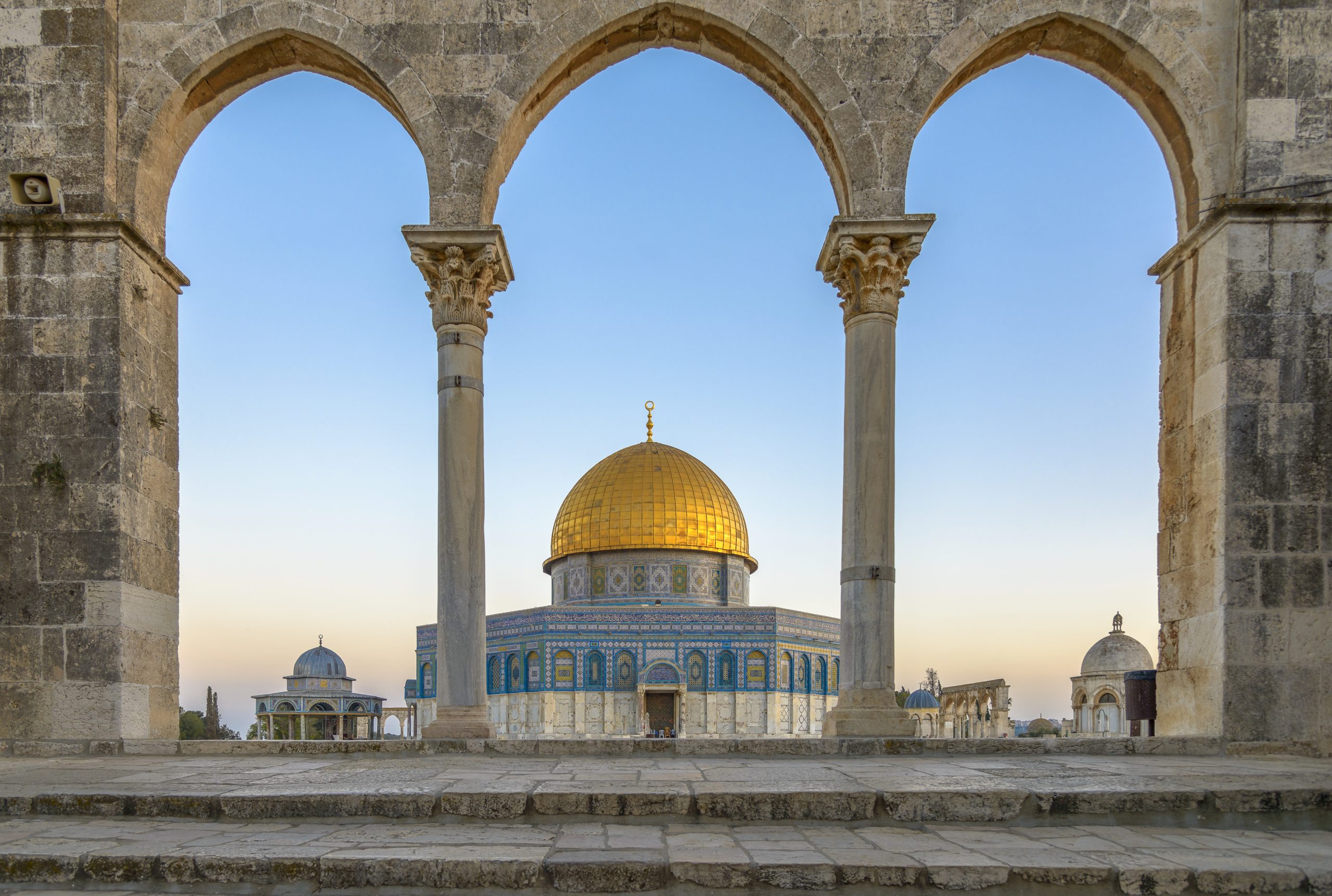
- Temple Mount
Another of the Jewish and Muslim faiths’ holiest sites, Temple Mount holds overarching historical significance for all visitors. It is associated with Mount Moriah and Mount Zion and is believed by Jews to be the resting place of the Divine Presence on Earth. It is also believed to be where the dust came from that God used to create Adam. For the Muslim faith, Temple Mount is where it is believed Muhammad’s ascent to heaven took place. The Dome of the Rock is the most notable Muslim feature – the golden-domed structure is where the rock is located at which Muhammad prayed with Gabriel.
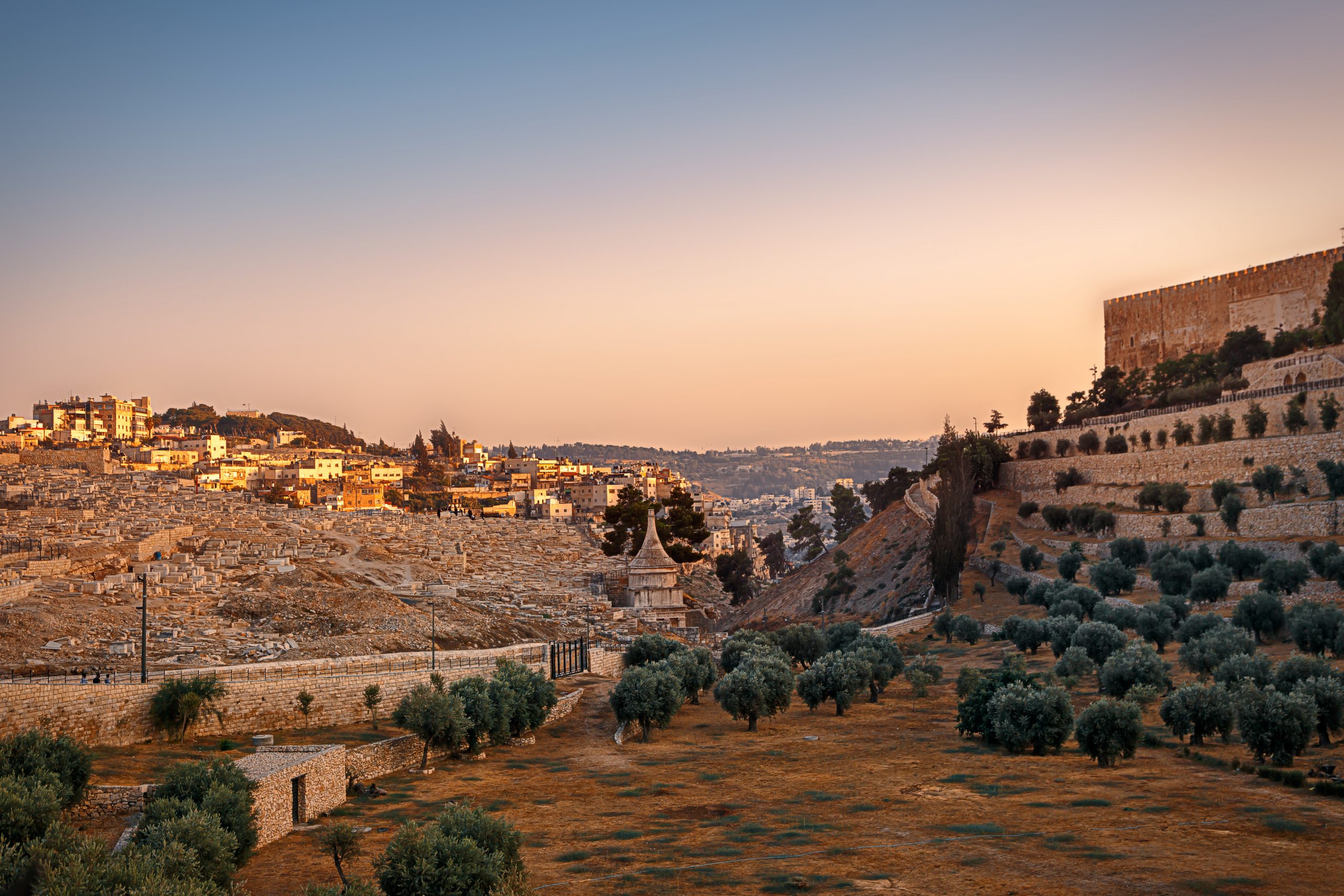
- Mount of Olives
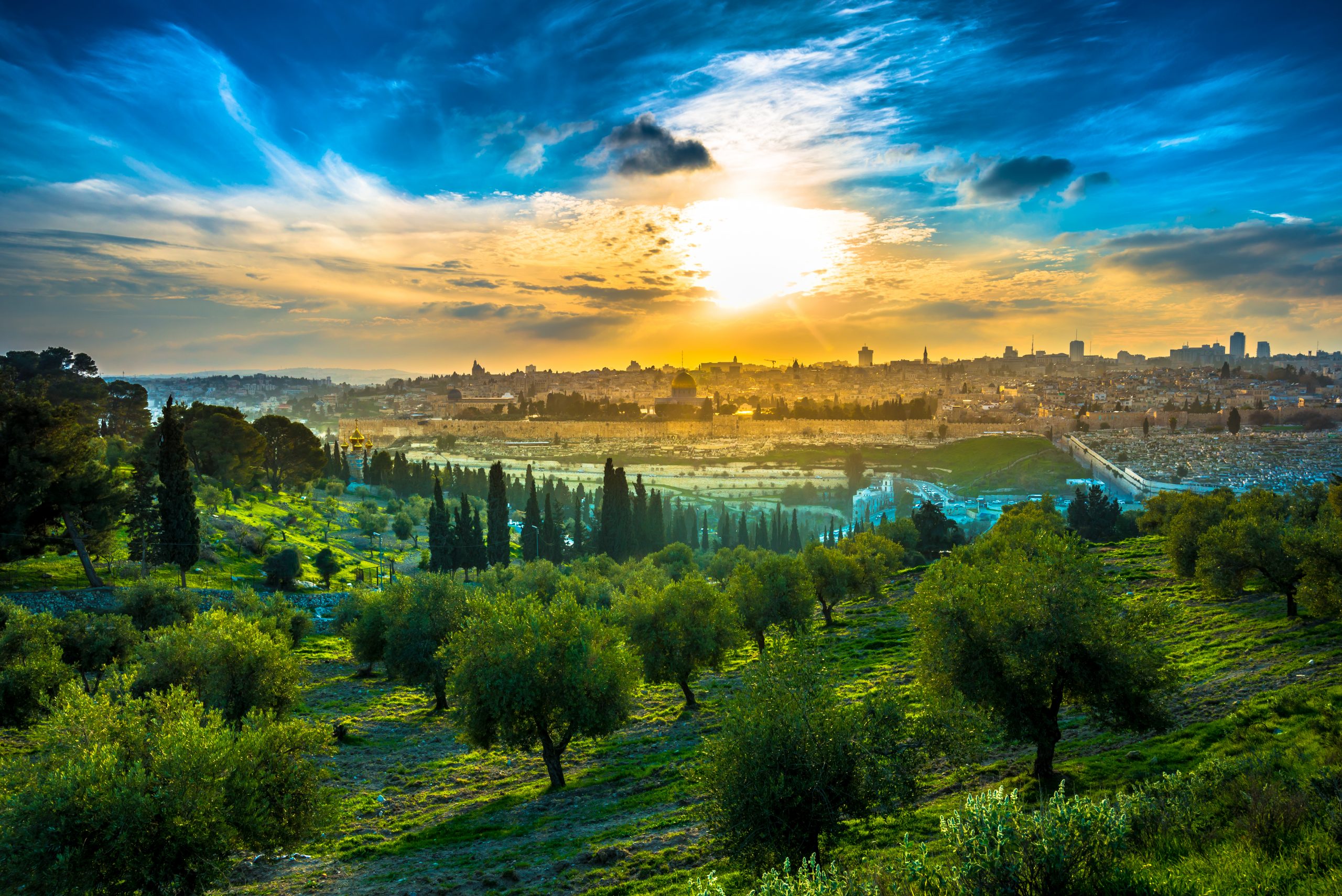
Across the Kidron Valley from the Old City, the 2,900-foot Mount of Olives was the primary burial ground in Jerusalem for more than 3,000 years. This is where Zechariah and Absalom are buried, among other notable biblical figures. You can tour the Dome of Ascension here, site of Jesus’ last footprint before he ascended into heaven, as well as the Garden of Gethsemane, where Jesus prayed before his crucifixion. The views of the surrounding area, Temple Mount and the olive trees (some of which are about 1,000 years old) are sublime.
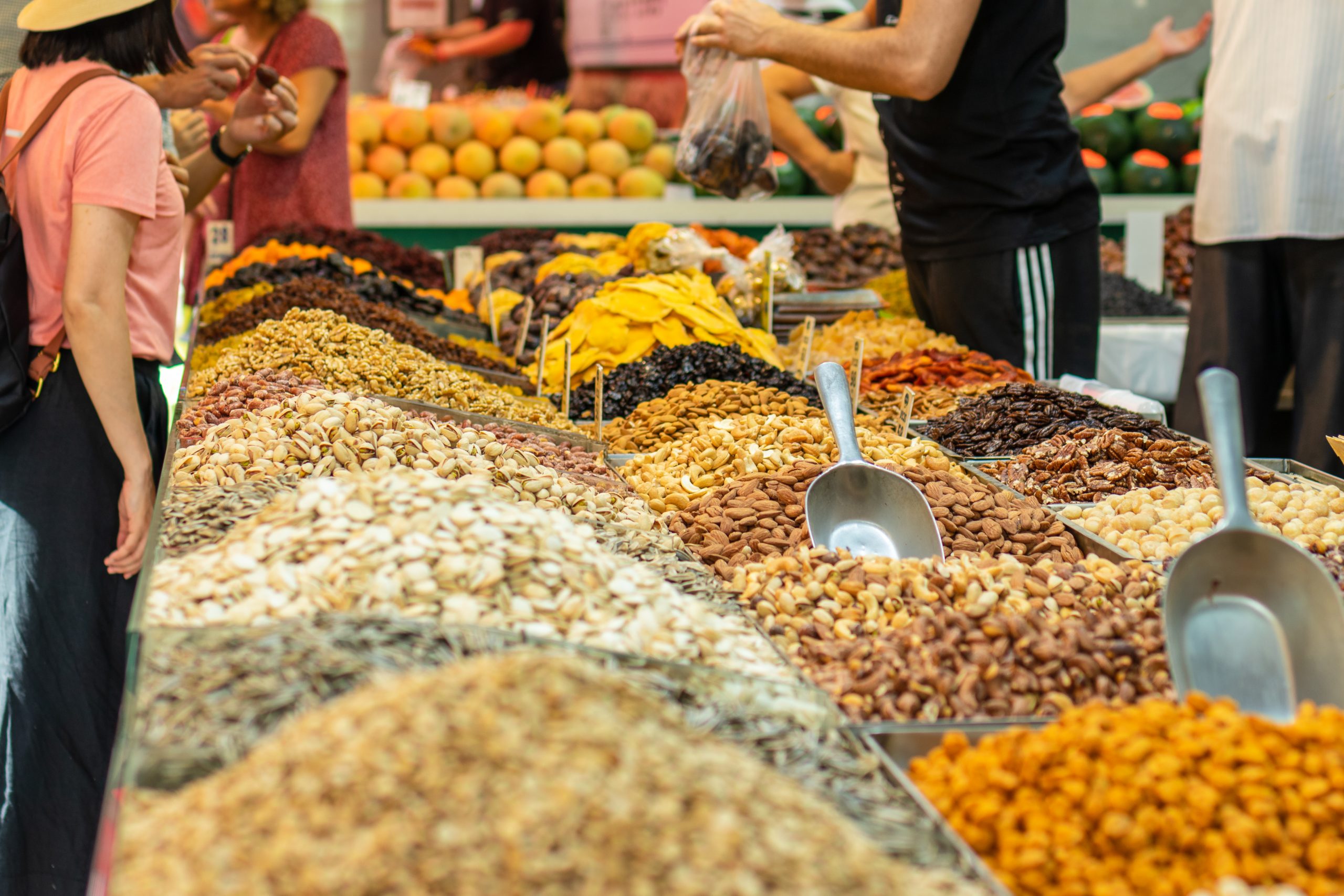
- Mahane Yehuda
Mingle with the locals at this lively marketplace between Agripas and Yafo streets in West Jerusalem. Some for spices and souvenirs from more than 250 merchants. The crowds are heaviest on Friday before the market closes at sundown until Sunday morning.
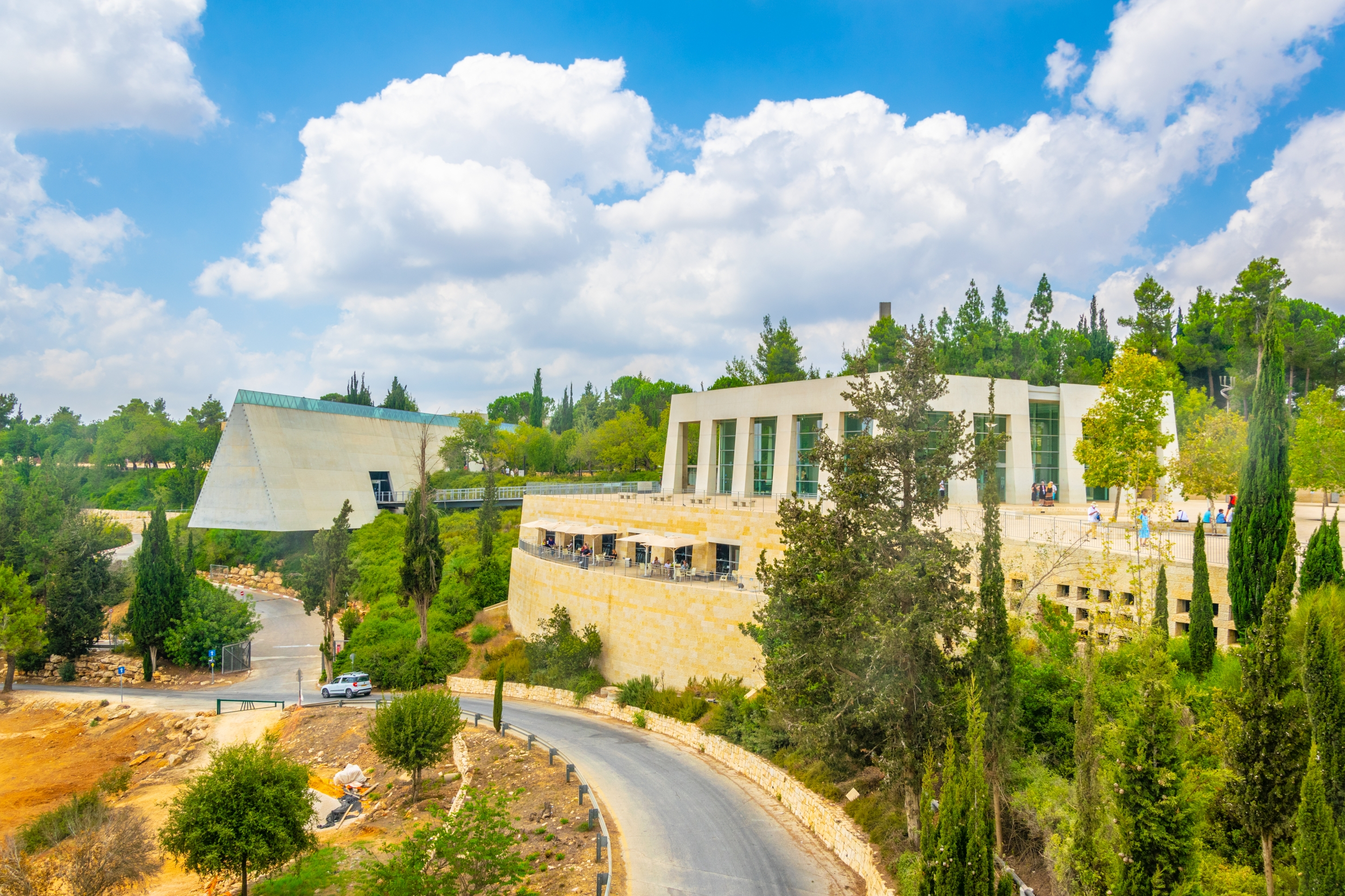
- Yad Vashem
The world’s largest collection of information about the Holocaust is housed in Yad Vashem in the Mount Herzl neighborhood. The vast complex is spread over 45 acres, in which you’ll find a variety of museums and memorials. View artifacts and art at The Holocaust History Museum and the Museum of Holocaust Art and spend somber moments at the Hall of Names and the Children’s Memorial.
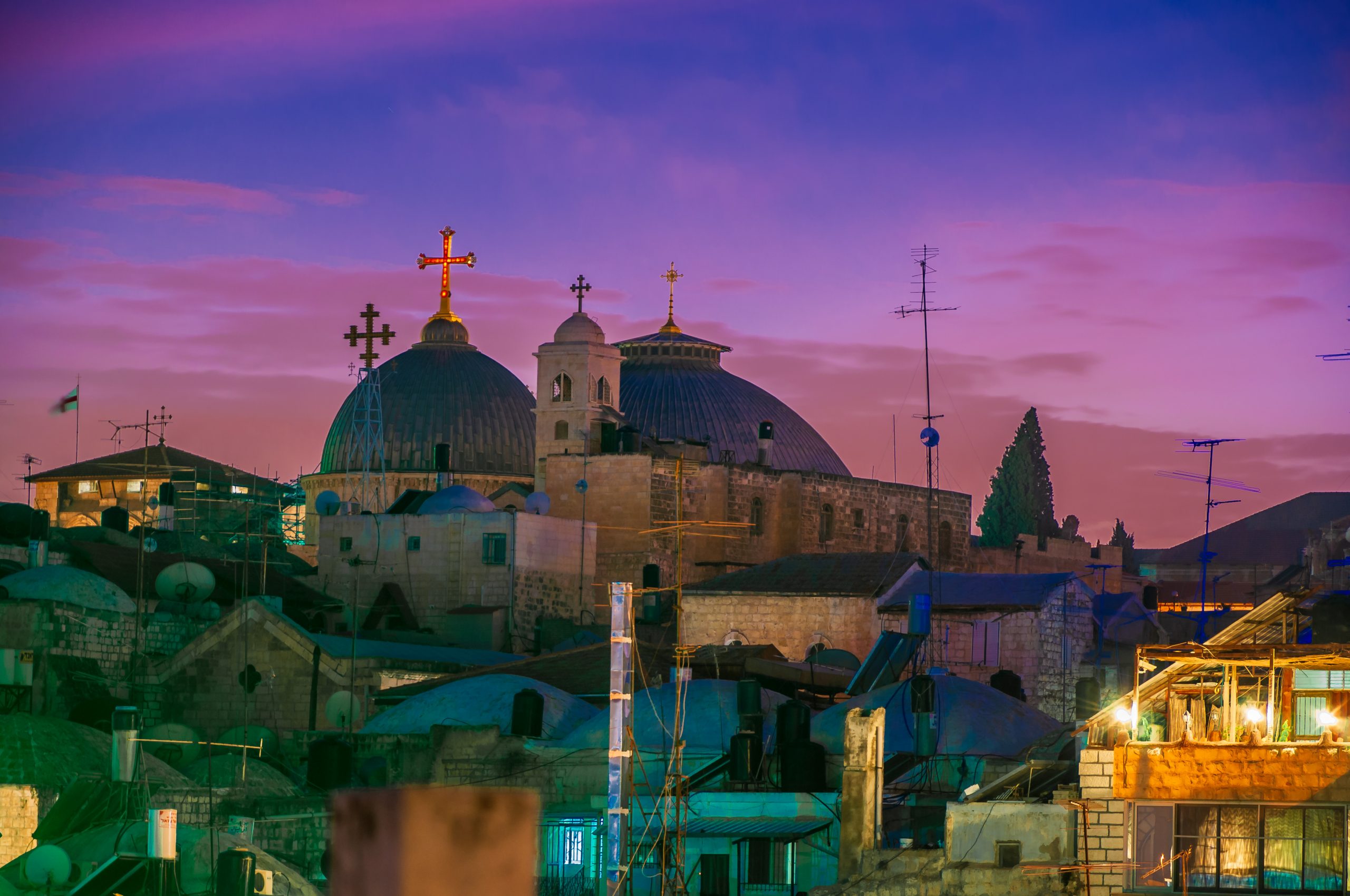
- Church of the Holy Sepulchre
For Christians, the Church of the Holy Sepulchre is one of the very holiest of sites and a must-see on a Jerusalem tour. The church was built in 326 AD by Emperor Constantine and it is believe to be directly above Jesus’ tomb. The church was been destroyed twice in its history, with its present incarnation created by 12th-century Crusaders. Find the Church of the Holy Sepulchre in the Christian Quarter of the Old City.
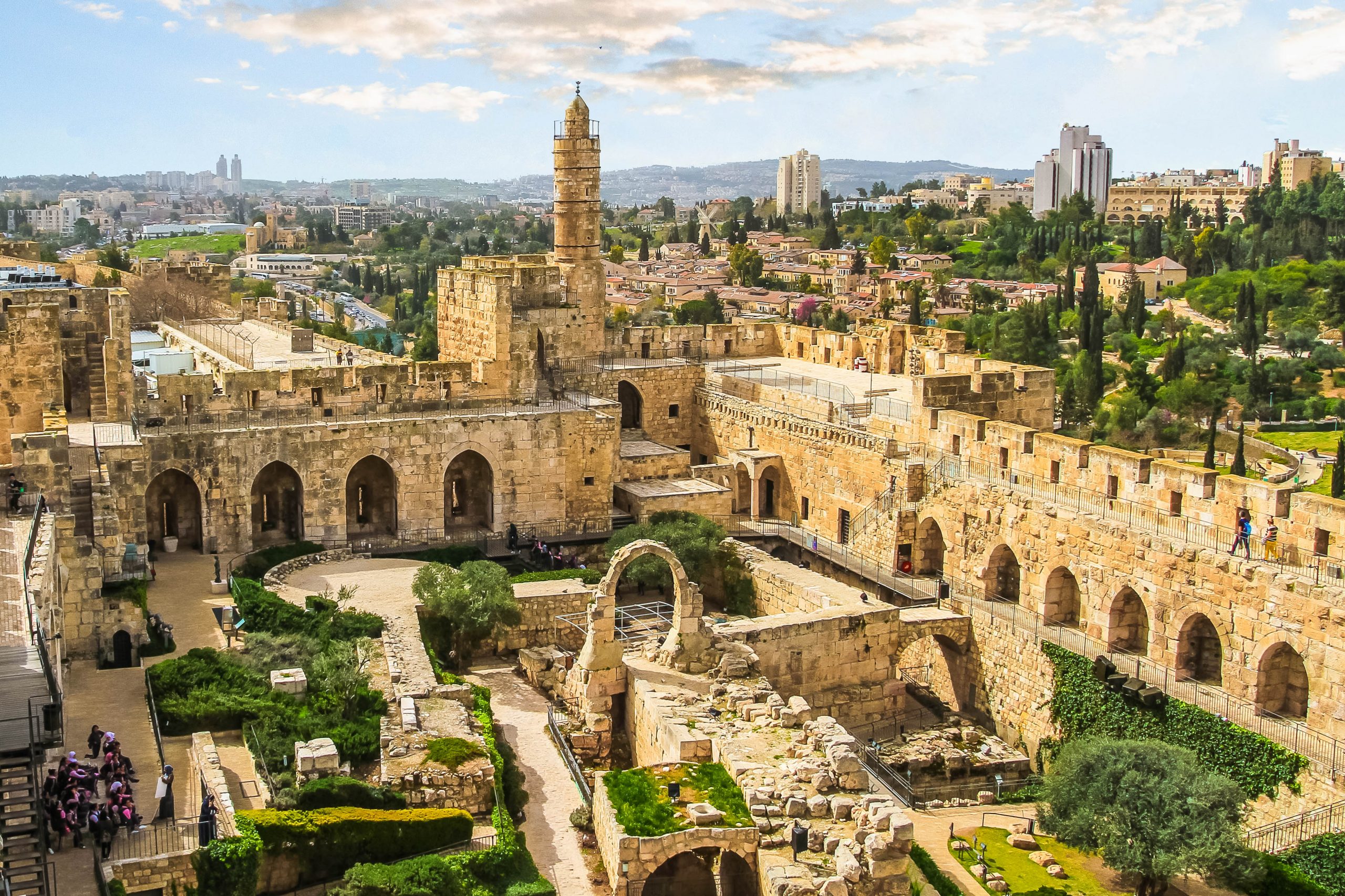
- The City of David and Hezekiah’s Tunnel
Within the Old City, the City of David still functions as a residential neighborhood. It was founded more than 3,000 years ago by King David and offers visitors insight into the ancient ruins of the city both at ground level and below. You’ll see remains of the First and Second Temples, as well as Hezekiah’s Tunnel, the city’s primary source of water in biblical times. Visitors can actually walk across the waterway. The visitor center for the City of David is outside the Jewish Quarter’s Dung Gate.
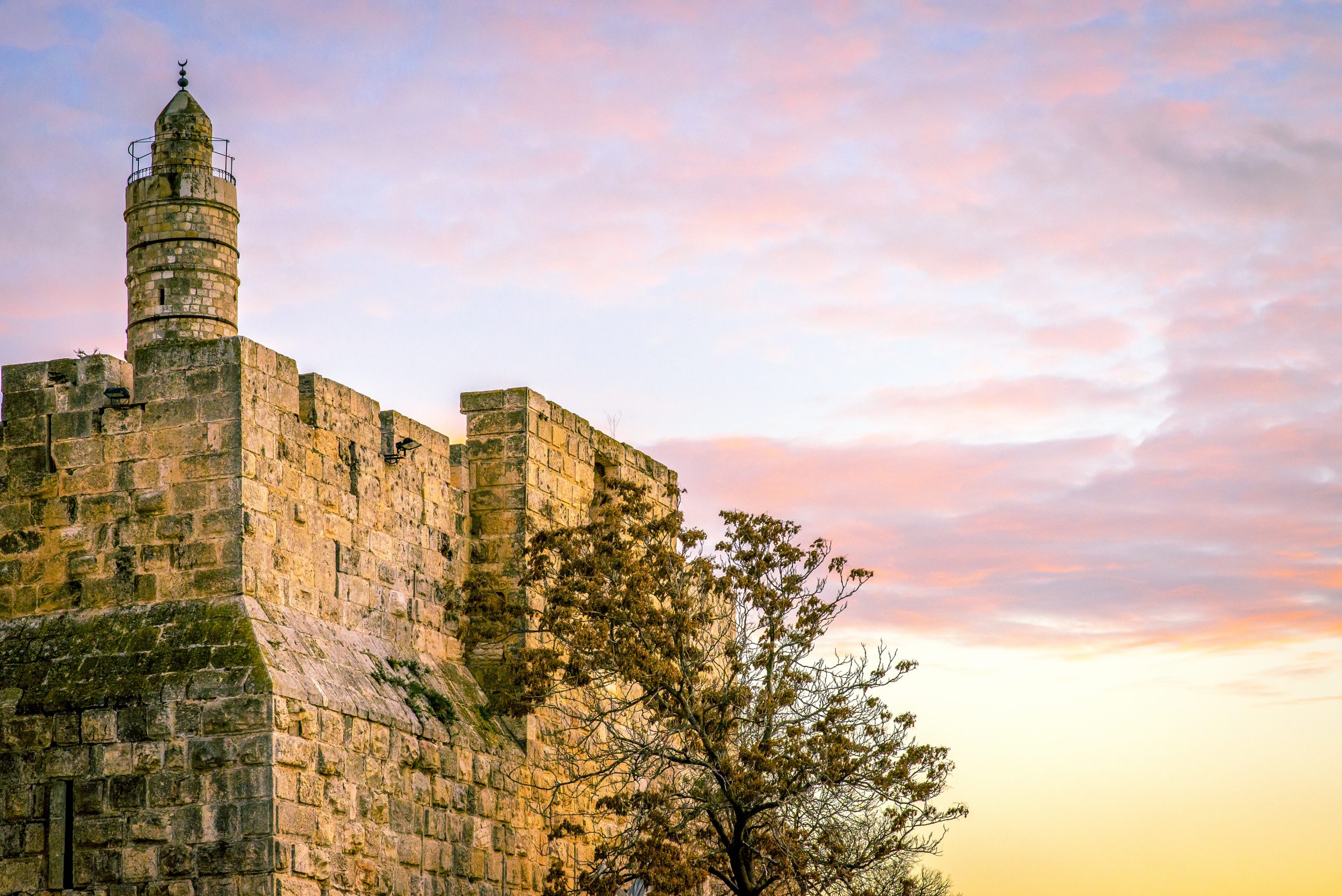
- Tower of David Museum
Set within the medieval Tower of David, this insightful museum offers visitors a history of the city through informative placards and miniature models. The detailed model was made in 1872 by Hungarian pilgrim Stephan Illes and depicts Jerusalem at that time. The Koshle wing is set in the old prison complex and further unveils the history of Jerusalem. Try to attend the Night Spectacular, a sound-and-light show projected onto the walls of the citadel that ties together Jerusalem’s past, present and future through multimedia stories.
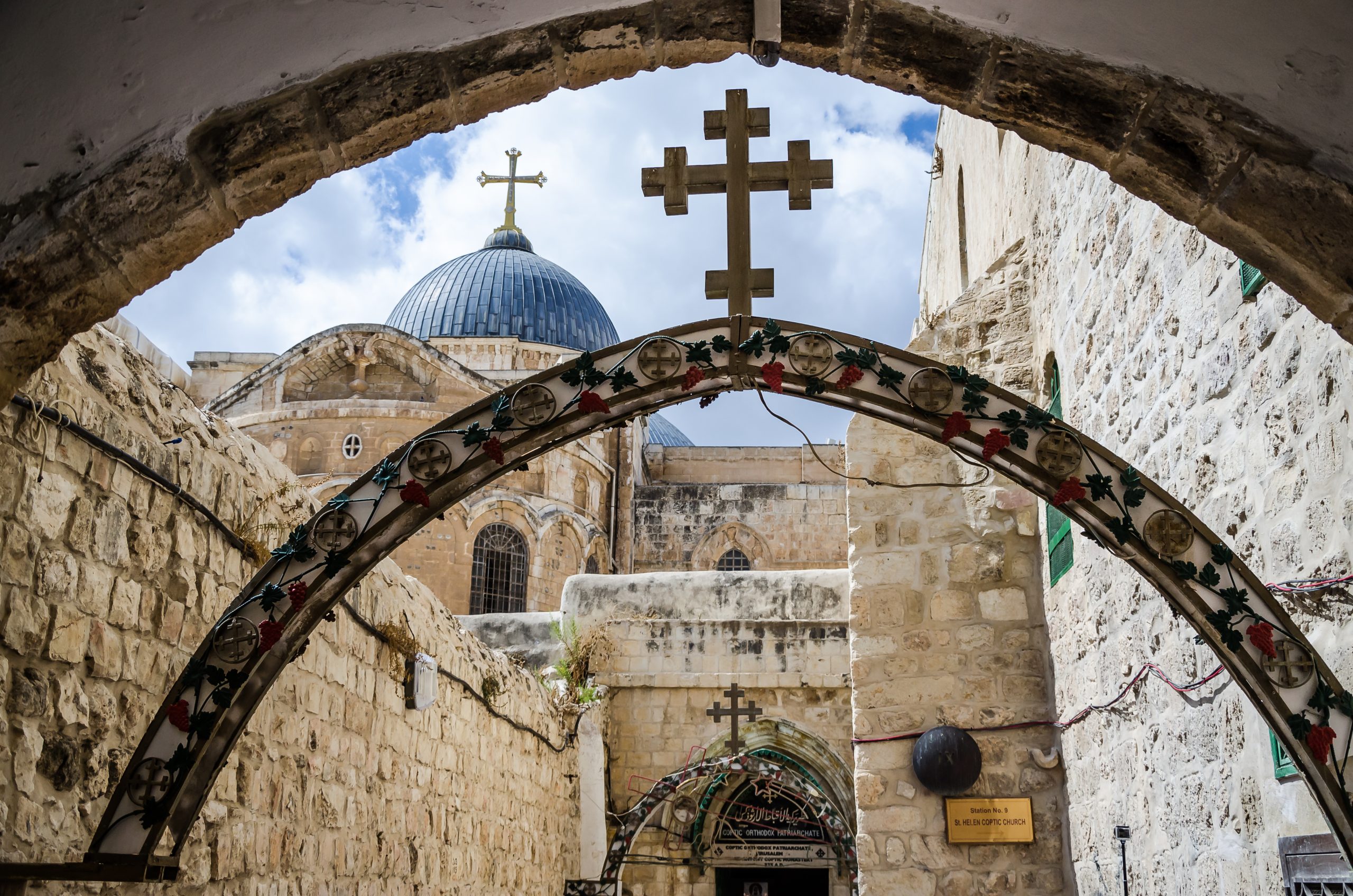
- Via Dolorosa
Walk the path through which Jesus was led to Golgotha after his sentencing by Pontius Pilate. The passageway is on the northwest corner of Temple Mount near the Lions’ Gate in the Muslim Quarter. Although it’s a somber route, visitors will find a lot going on here, mostly in the way of souvenir shops. It’s sobering to walk, despite the bustle. The 14 significant sites along the route are marked, including the Praetorium and the Church of the Holy Sepulchre – it’s a personal and immersive way to actually walk the Stations of the Cross, as celebrated in the Catholic church during the Lenten season.
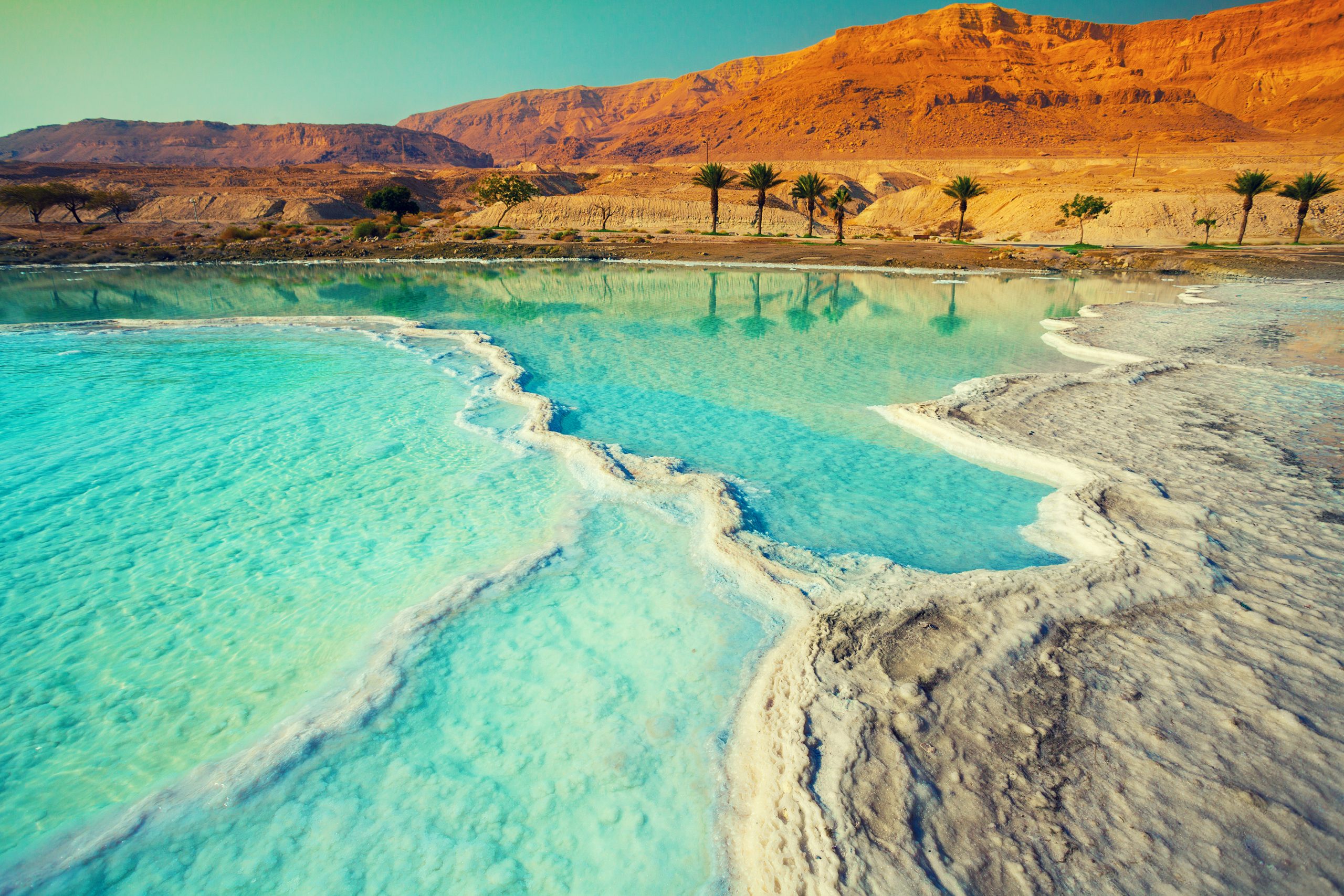
- Dead Sea and Masada
While you’re on your Jerusalem tour, plan on a day trip to the Dead Sea. It’s worth the 90-minute bus ride to see the lowest point in the world. Take a swim – you’ll float effortlessly due to the high salt content. If you’d like, partake in a mud treatment – it is believed that the Dead Sea waters and its mud have healing powers.
The UNESCO World Heritage Sites of Masada is also in the area and worth a visit for its revered mosaics. It sits on a cliff overlooking the Dead Sea and houses the remains of the Sicarii settlement, Jewish radicals who defeated the Romans in southern Israel. It is believed that later, when attacked by the Romans, the Sicarii committed mass suicide rather than be defeated. Today, visitors can tour the ancient ruins. Also nearby, the Qumran Caves, where the Dead Sea Scrolls were discovered, and the Ein Gedi Nature Reserve oasis.
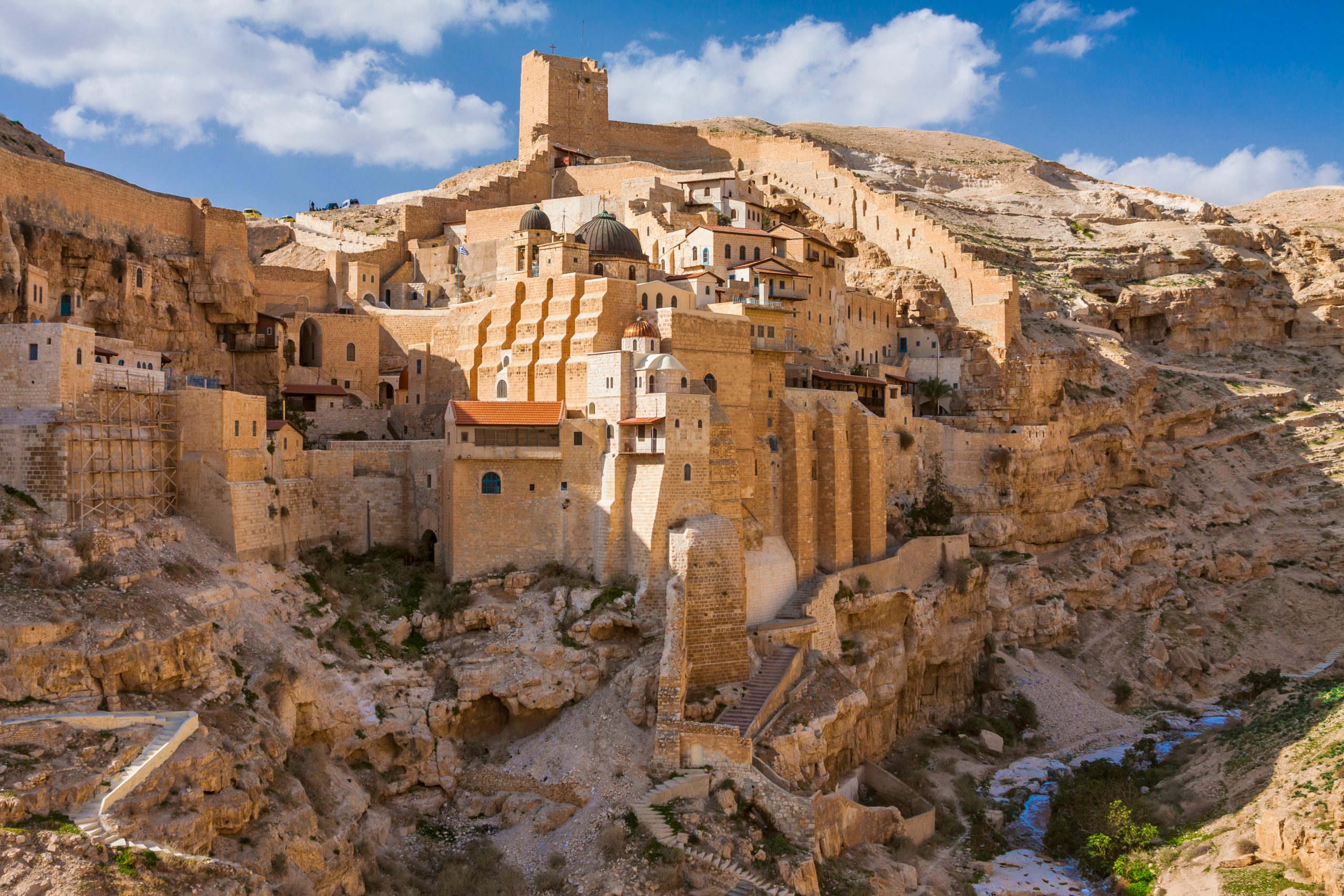
- Day Tour to Bethlehem
Just 20 minutes from Jerusalem, Bethlehem take a little planning to see. Bethlehem is part of the Palestinian Territories, so entering the city means crossing a border checkpoint. It is advised that you travel there with a tour company or a private car.
Christian visitors especially are drawn to the place of Jesus Christ’s birth – the top attractions are the Church of the Nativity, Shepherd’s Field and Mar Saba Monastery. Next to the Church of the Nativity, you’ll find the Franciscan-built St. Catherine’s Church. Visit the Milk Grotto, believed to the site where the Holy Family hid before their exodus into Egypt. In Manger Square, flanked by the Church of the Nativity, you’ll find the hub of Bethlehem life – there are plenty of restaurants and souvenir shops here. The Mosque of Omar presides over the western side of the plaza. As for the Shepherd’s Field, it is believed to be where the angels announced the birth of Jesus. It’s also home to 4th-century Greek Orthodox church.
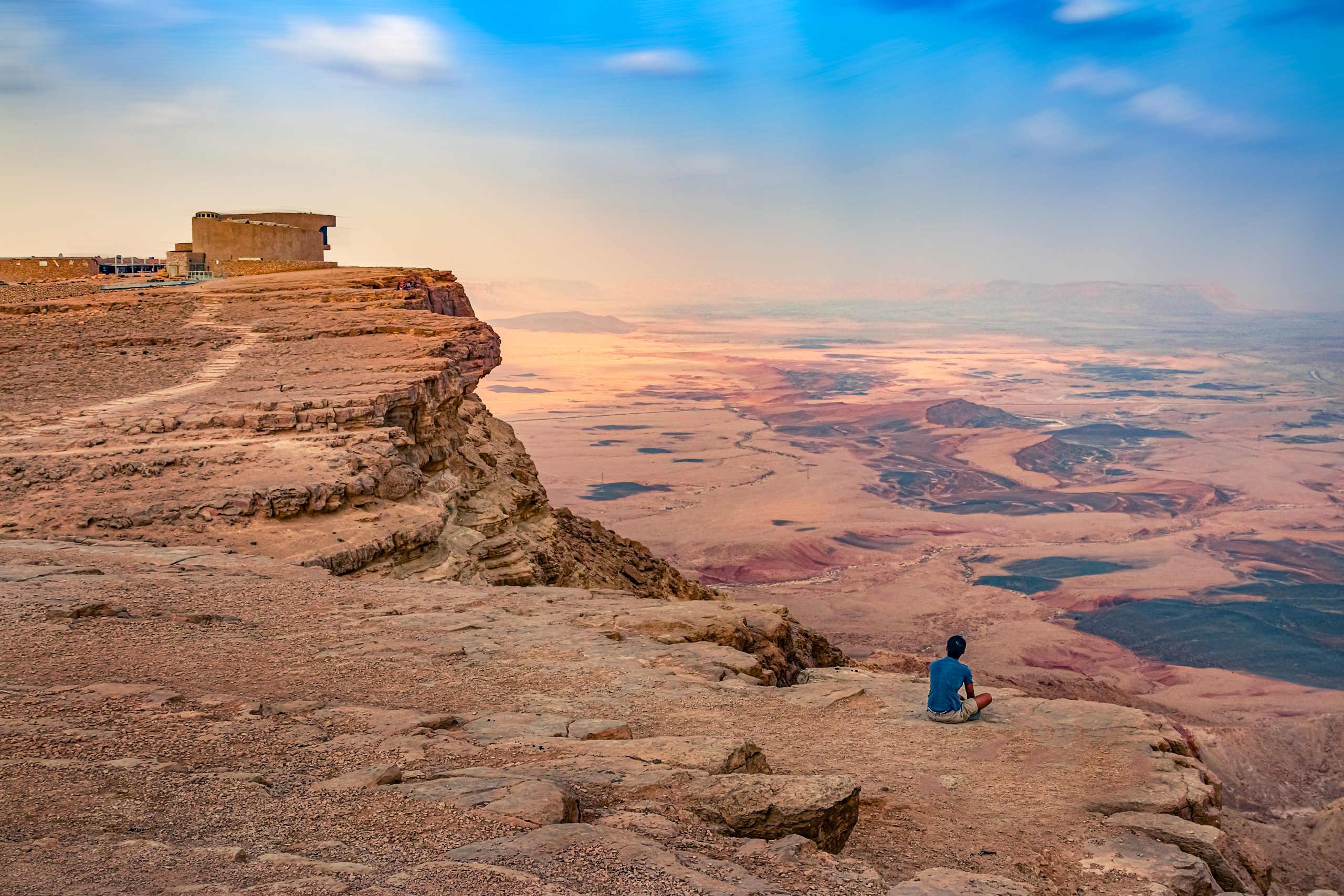
- Negev Desert
Consider a side tour to the mystical Negev Desert, which covers more than half of Israel. Travel on a tour with a guide to get the most out of your visit to this enchanting region. You may meet nomadic Bedouins who flourish here and might glimpse a desert Hyrax or Nubian Ibex. There are wonderful archaeological sites, historic ruins and cultural treasures to be explored throughout the desert.