
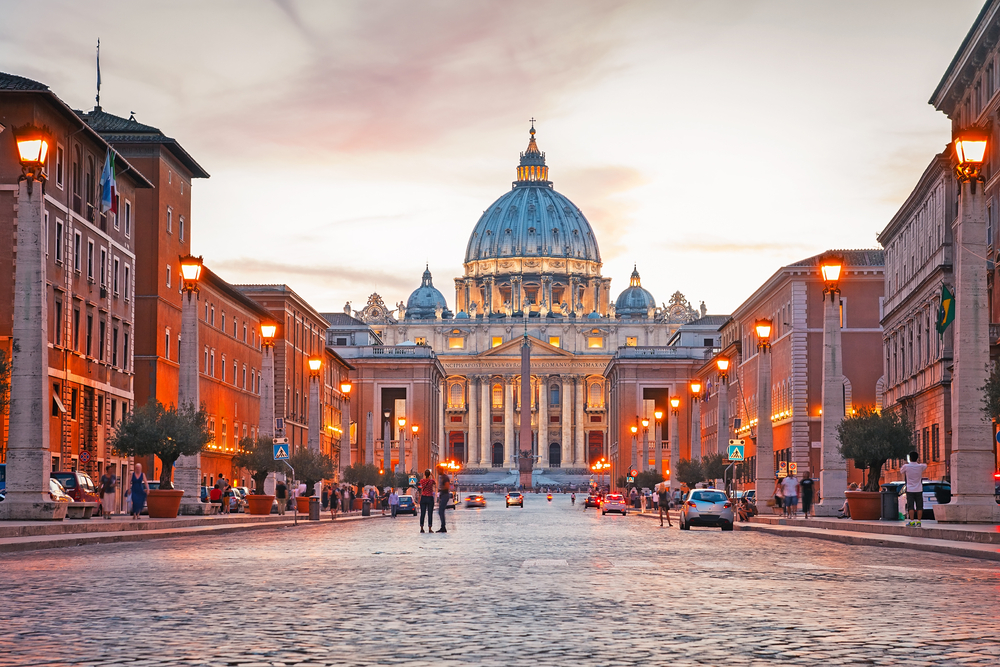
What’s the smallest city in the world? It’s Vatican City, within Rome – the capital of Christianity and the home of the Pope. From inspiring works of art to incredible architectural masterpieces, the compact city serves as a pilgrimage site for many – about 5 million visitors annually, in fact. But where to begin when exploring this fascinating city-state? Let’s get a local’s take on what to see and do as you explore the smallest city in the world.
The Basics
How Long to Stay: Allow one day, at least, to visit the highlights of Vatican City. You can take a bus from the historic center of Rome, or you can take the metro A line to the Ottaviano stop. Vatican City borders the Prati neighborhood.
What Day to Visit: There is no “best” day, per se, to visit Vatican City. It’s Rome’s most popular tourist attraction. However, if you visit on a Tuesday or Thursday, you’ll likely experience smaller crowds. Wednesdays is the Papal Audience, which means even more people than usual. From April through October, you can get tickets to the Vatican Museums for Friday evening – a much quieter time to visit. No matter what days you’re visiting, in general, the earlier you arrive, the better. Or, aim for later afternoon. The busiest day for Saint Peter’s Basilica and the Vatican Museums is Saturday. Keep in mind that the Vatican Museums are closed Sundays (except for when they are open, and free, the last Sunday of every month). In terms of season, the low season of winter is when you’ll find Vatican City the least crowded (except for Christmas through January 6th).
To Tour or Not to Tour: Definitely choose a tour, and book early. Signing up for a guided visit through Vatican City will maximize your precious vacation hours and help you skip the lines at some of the most sought-after sights. Avoid unofficial ticket sellers who may approach you on your way to the Vatican. Book your tickets with a reputable tour operator before leaving home. This way, your once-in-a-lifetime experience will be enhanced by the insider knowledge of your expert guide who can tell tales and anecdotes not found in guidebooks.
What to Wear: Within this sacred site, it’s important to be dressed conservatively. To visit the Vatican Museums, the Sistine Chapel and Saint Peter’s Basilica, you may not expose your shoulders, thighs, knees, cleavage or midriff. All bags and umbrellas will be subject to a security check, so aim to pack light.
Eat First and/or Pack Snacks: The restaurants and cafes closest to Vatican City are expectedly overpriced – and not that good. Save your money by eating in another area of the city before you arrive and pack water and snacks.
Where to Stay: Vatican City is easily accessible from other areas of Rome via bus and metro, but if you’d like to wake up and walk right over to the sights, consider staying in Prati. There are lots of accommodation and dining options here and a great atmosphere.
Top Sights in Vatican City
Saint Peter’s Basilica
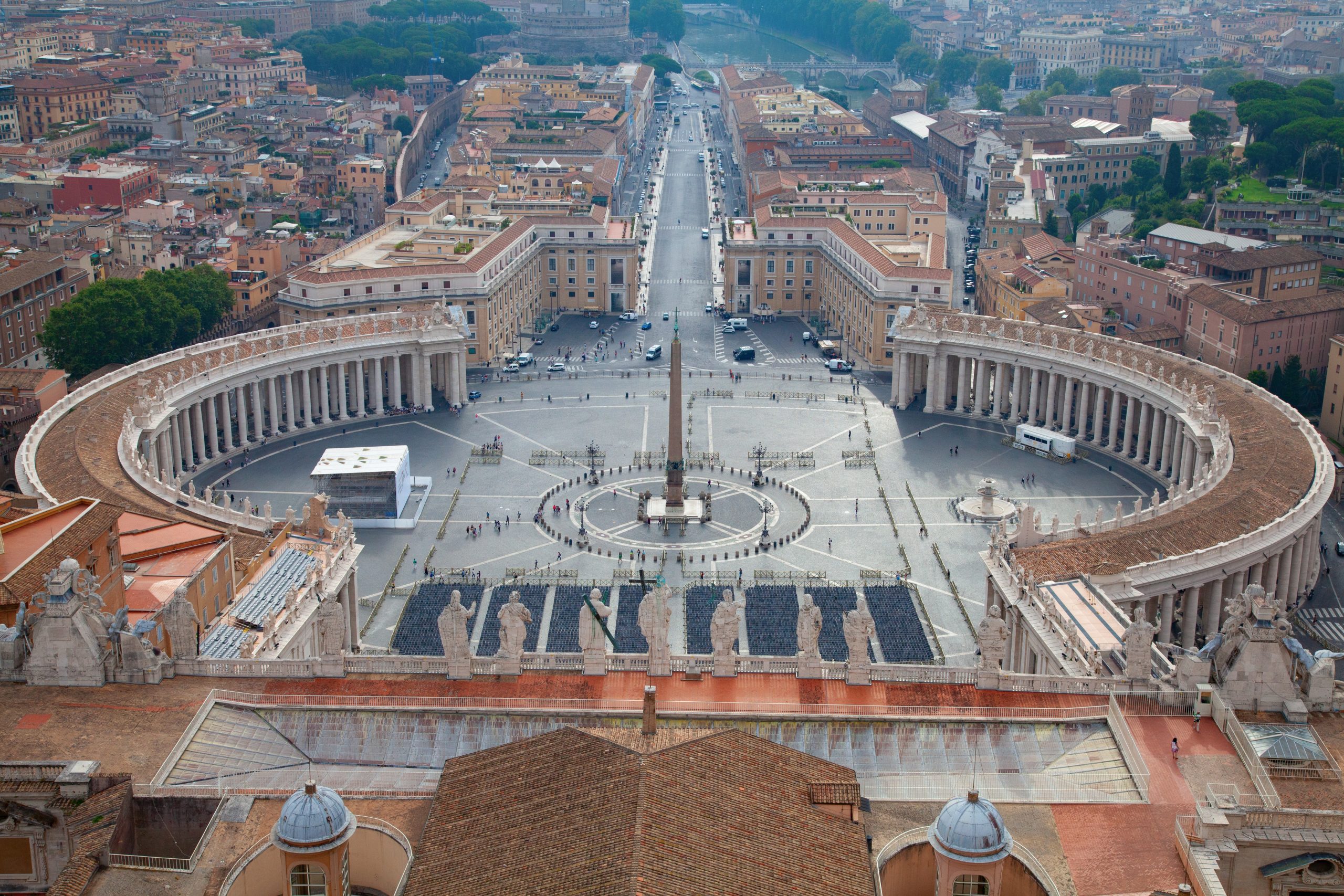
One of the most famous holy sights in the world, Saint Peter’s Basilica tops most Vatican City visitors’ must-see lists. Start at this impressive Renaissance church, said to have been built upon the burial site of the saint, one of the twelve Apostles of Jesus Christ and the first Pope. The church is massive and can accommodate 60,000 people. Notice the dome, designed by Michelangelo (the tallest dome in the world) – you can climb the 551 stairs to the top of the dome (or pay a fee to take an elevator halfway) to get amazing views of Saint Peter’s square, the Vatican Gardens, the Colosseum and Villa Borghese. Within the church, take the time to admire master artwork from Raphael, Bramante, Michelangelo and Bernini.
The Vatican Museums
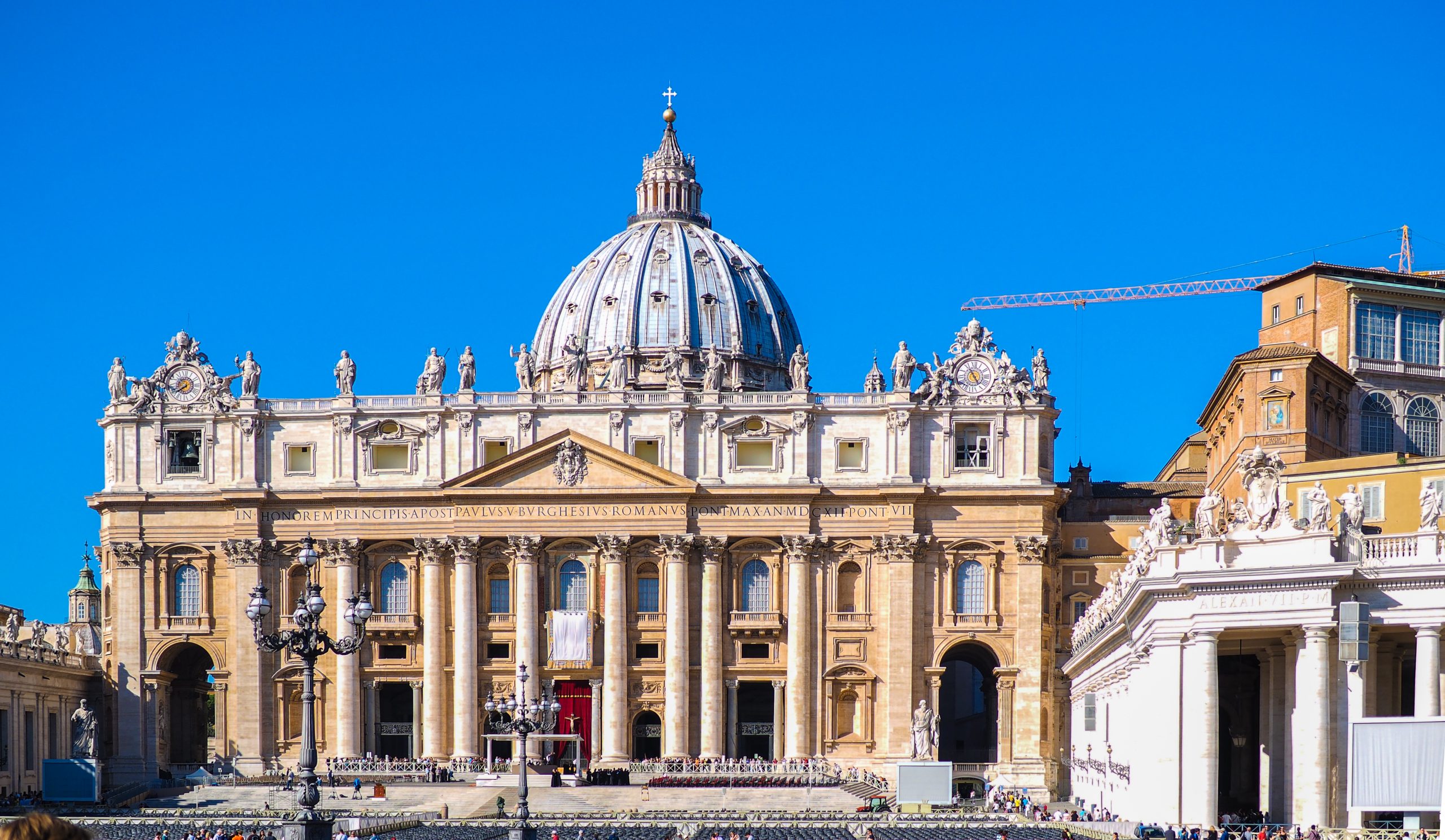
The sixth most-visited museum in the world, the Vatican Museums together contain an incredible number of significant classical sculptures and Renaissance masterpieces. The very first piece ever on display was the marble sculpture Lacoon and His Sons, the discovery of which prompted the creation of the museums by Pope Julius II. Today, visitors may view more than 70,000 pieces spanning centuries, including the Hall of Maps, the rooms of Raphael and Michelangelo’s frescoed Sistine Chapel.
Don’t overlook the Pinacoteca Gallery (Picture Gallery) section of the Vatican Museums. It’s filled with masterpieces by Raphael, Carravaggio, Crepsi, Perugino and Fra Angelico. It’s a bit off the beaten one-way-tour path of the Vatican Museums, so it offers some peace and quiet while viewing the artwork.
Vatican Necropolis
Below the down and central altar of Saint Peter’s Basilica, the Vatican Necropolis is three stories down and the supposed site of St. Peter’s remains. You’ll see the remnants of the first Basilica, built on this same location. A very limited number of people are allowed to visit at a time, so reserve your time well in advance.
Etruscan Museum & Egyptian Museum
Branch out from Catholicism and gain insight into the Etruscan civilization that flourished in areas of Rome before the Romans (8th-3rd centuries BCE). There is a wide range of jewelry, pottery, tools and weapons on display.
Then, visit the Egyptian Museum to see antiques and mummies spread throughout nine rooms, one of which was the former Papal apartment of Pius IV.
Seeing the Pope
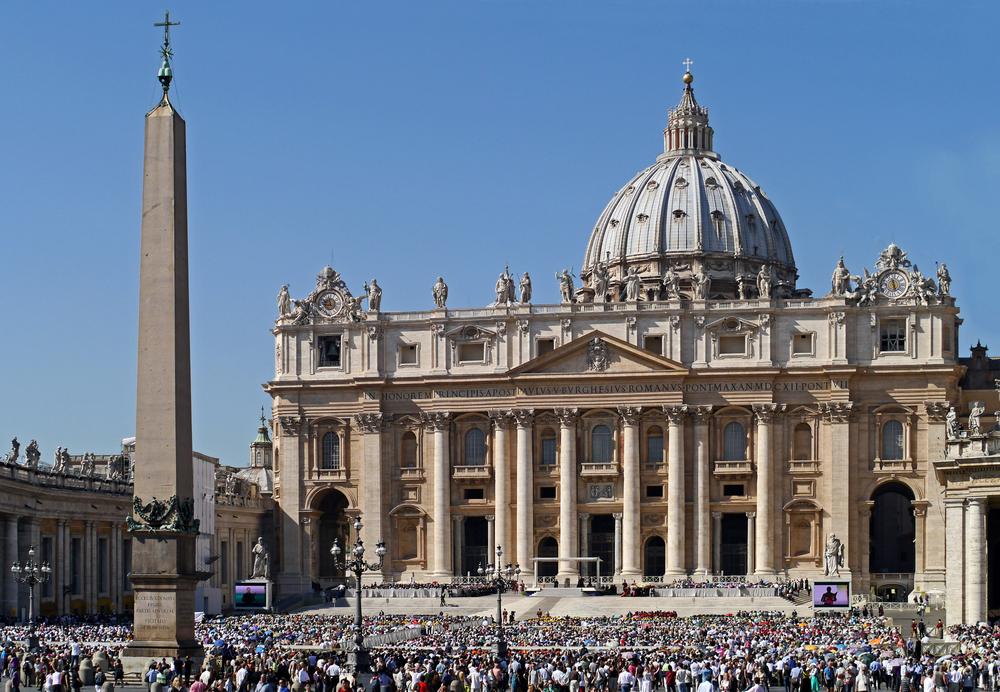
If you’d like to glimpse the Pope, you can attend one of Pope Francis’s Palpal Audiences, held every Wednesday morning in Piazza San Pietro. He greets pilgrims in each language and gives teachings and readings in Italian. He then prays with the audience and bestows the Papal Blessing. Show up by 8 AM for the 10:30 AM audience in order to secure a seat. There is also typically a Sunday blessing (Angelus) with a quick appearance by the Pope (about 15 minutes) from the Papal Palace window.